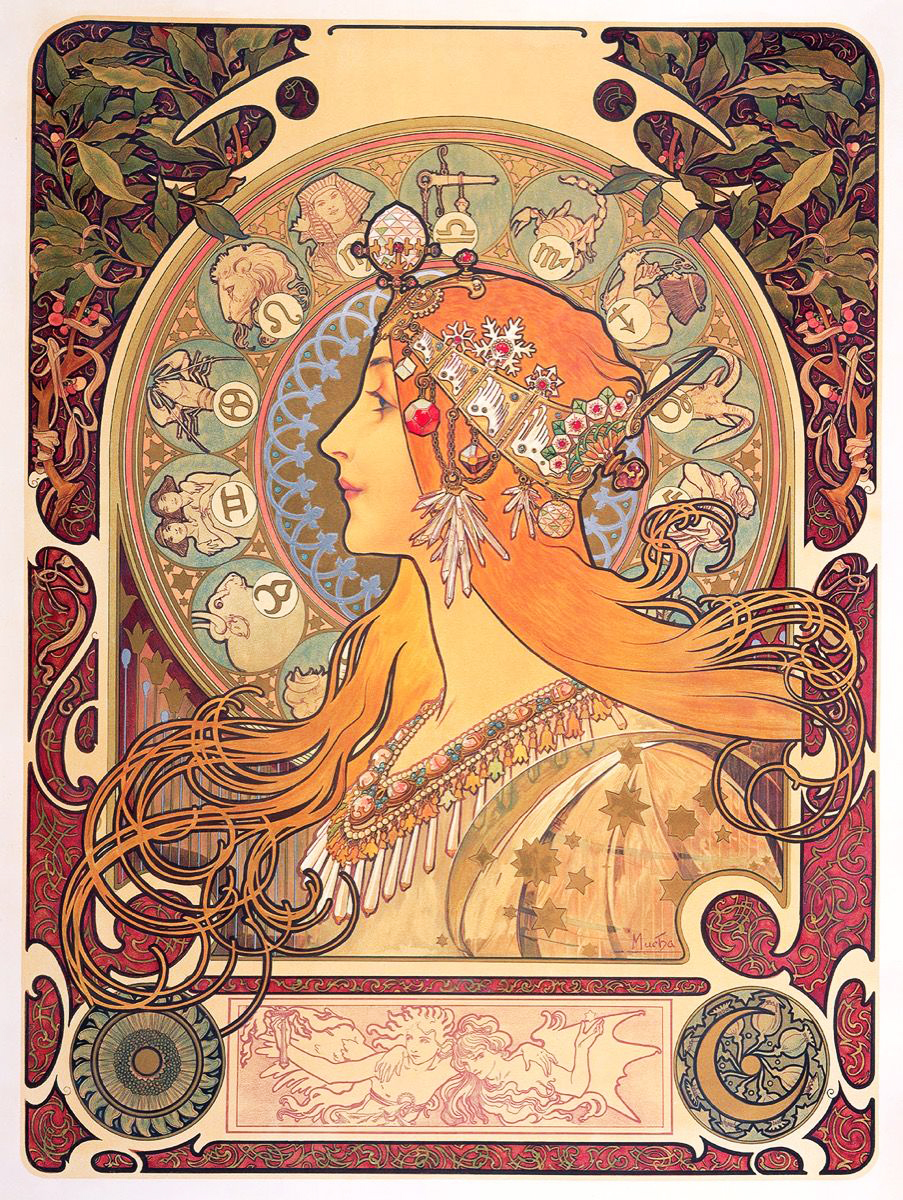
During an interview for a design-related position, I was once told: "Your work looks very commercial." At the time, I took this as a disparaging remark about my portfolio and felt ashamed.
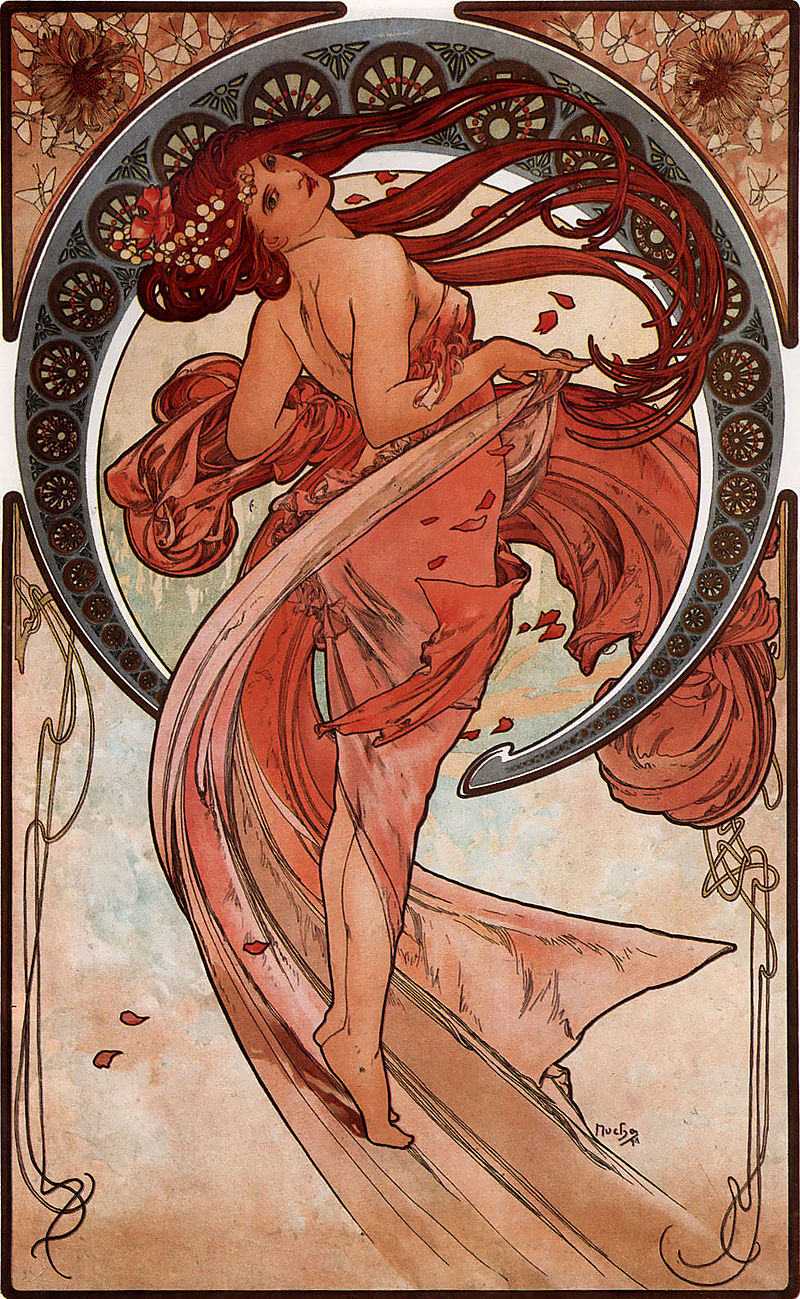
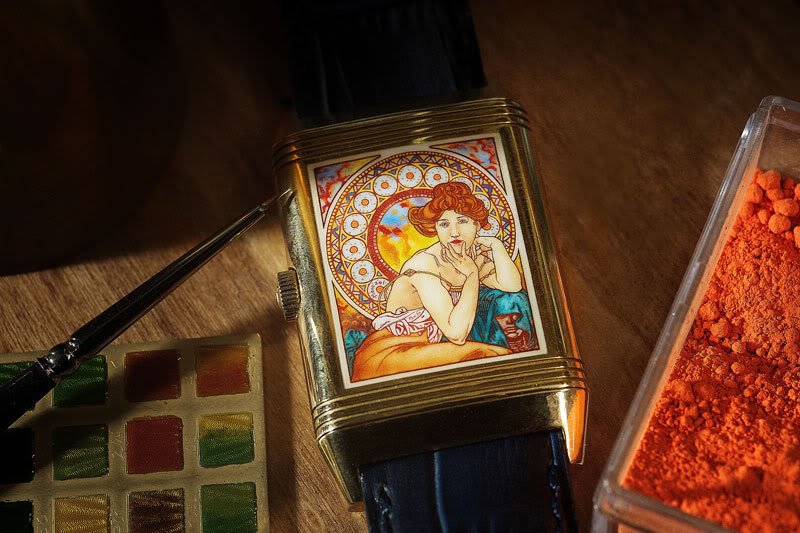
In the mid-19th century, when applied arts and commercial art were still emerging, fine art and academic art were considered the highest pursuit of artistry. Applied arts and commercial art were seen as secondary and inferior forms of artistic expression. Alphons Maria Mucha—a representative artist of this era—also felt frustrated by the fame and success he achieved in commercial art. It was not until Dadaism and later Pop Art broke down the boundaries between these realms that commercial art ceased to be regarded as a lesser art form.
Today, design work has become a profession, and the line between fine art and commercial art was already blurred in the last century. Yet the belief that "fine art is the highest form of artistry" remains deeply rooted in the minds of many artists and practitioners. This is why in modern Taiwan you can still hear comments like "Your work looks very commercial." But now I consider such remarks to be either an objective observation or a matter of personal preference—simply that one end of the spectrum leans toward a direction the viewer doesn't favor. Striking a balance between commercial and artistic value in one's work has become a challenge for today's creators. In this context, it is worth revisiting how the masters of the Art Nouveau movement created their commercial work while still preserving artistic value in the eyes of later generations.
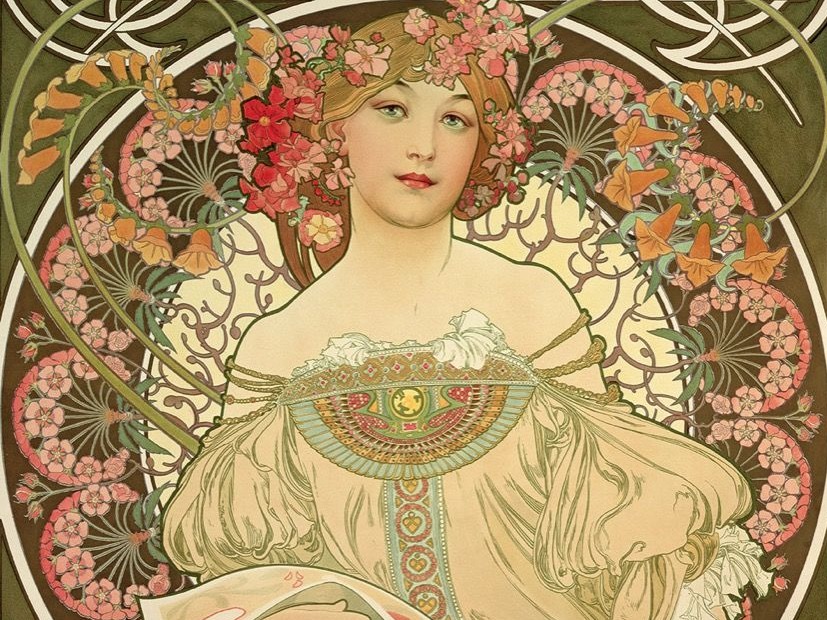
What Is the Art Nouveau Movement?
Before Art Nouveau, there was a conceptually similar movement—the Arts & Crafts Movement—which mainly criticized the shoddy quality of mass-produced crafts after the Industrial Revolution and celebrated the beauty of handmade craftsmanship. It was more focused on product design, industrial design, and architecture. It suffices to be aware of it here. Art Nouveau then extended this wave of visual style. It had different names across Europe: Jugendstil in Germany, Sezessionstil in Austria, Stile Floreale in Italy, and Modernismo in Spain.
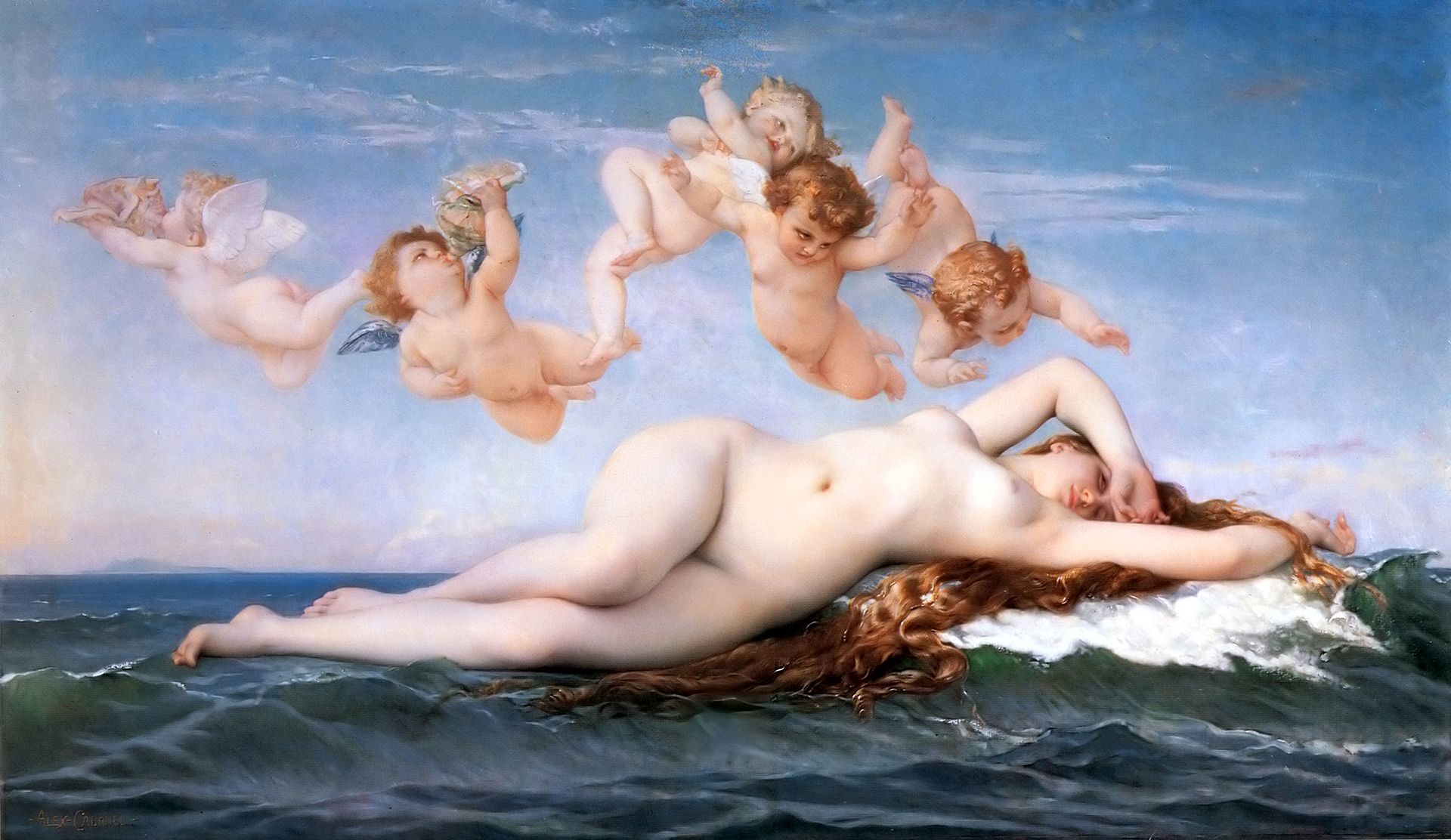
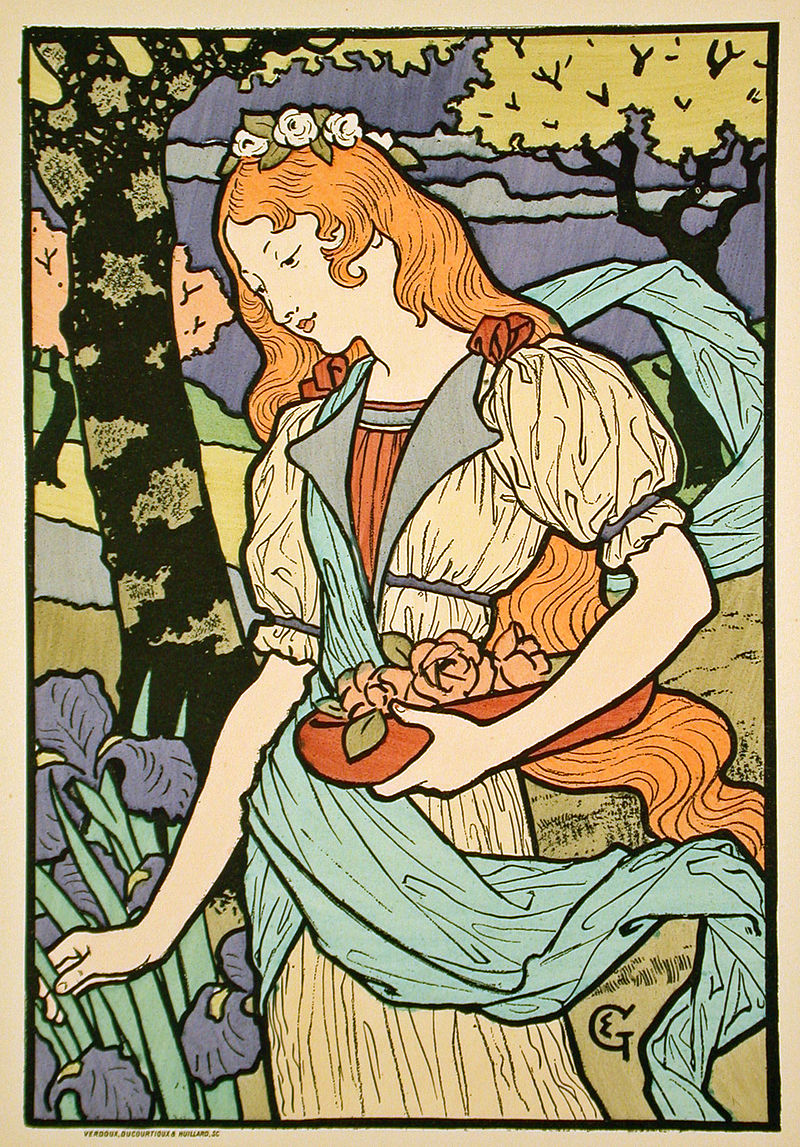
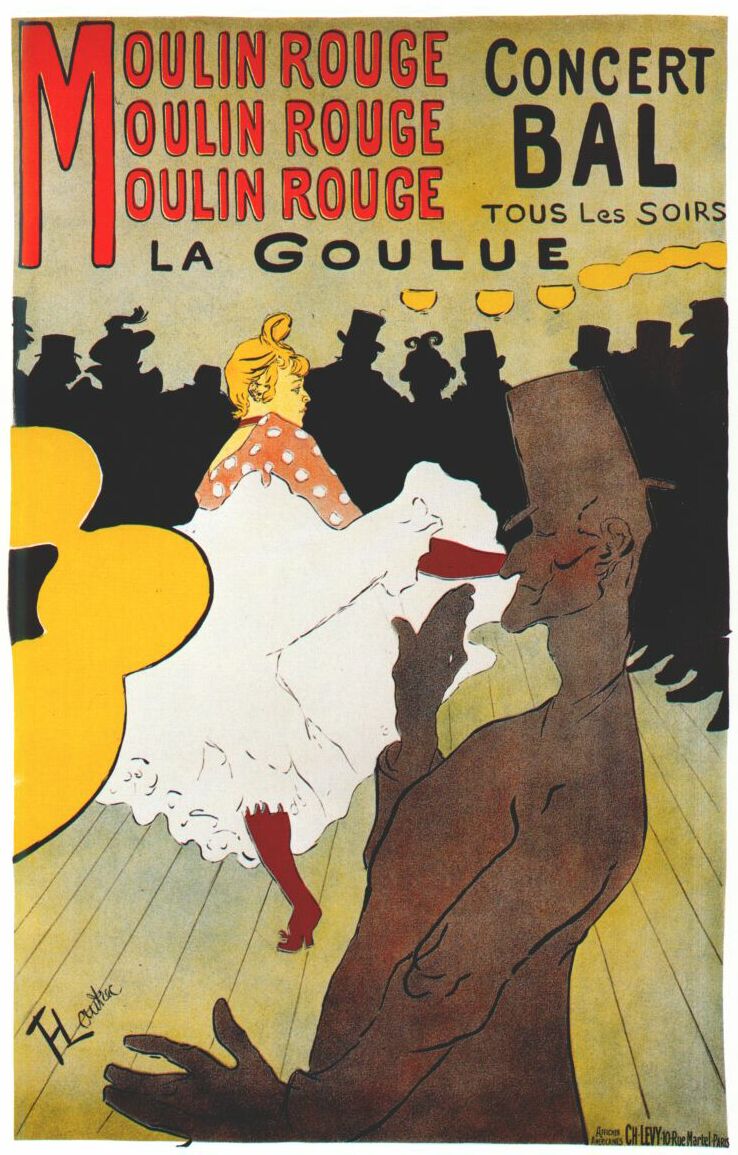
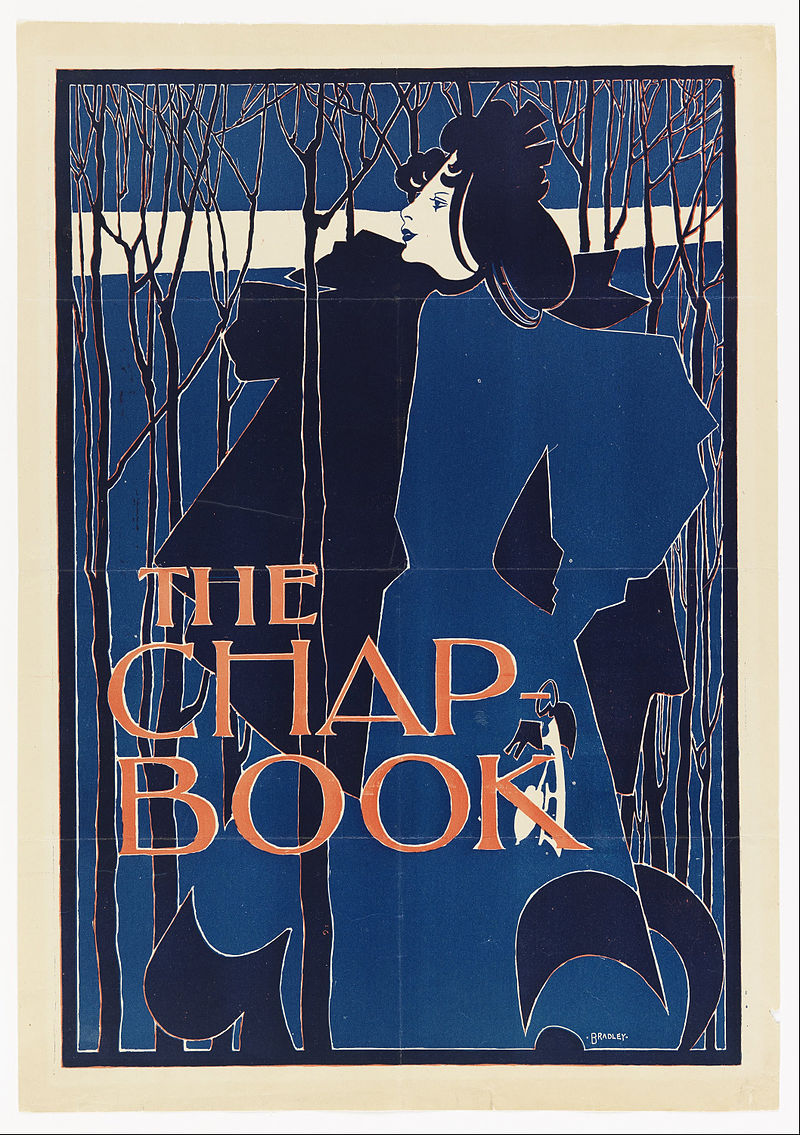
What was "new" about Art Nouveau? Before it, academic art was heavily influenced by Historicism and Realism, focusing on depicting objects and events as they appeared, with an emphasis on three-dimensional form. Art Nouveau, by contrast, was largely used for commercial purposes—posters and publications—so it incorporated typography and emphasized harmony between text and image. Influenced by the artistic experiments of Paul Gauguin and Henri de Toulouse-Lautrec, it abandoned traditional Western perspective in favor of the bold linework found in ukiyo-e, expressing a subjective space through the viewer's gaze and prioritizing abstract, curvilinear forms. Some scholars also attribute the curved, abstract style to the Book of Kells from Irish and Scottish culture. Meanwhile, the development of lithography allowed artworks to be mass-produced—another breakthrough that reshaped people's worldview at the time.
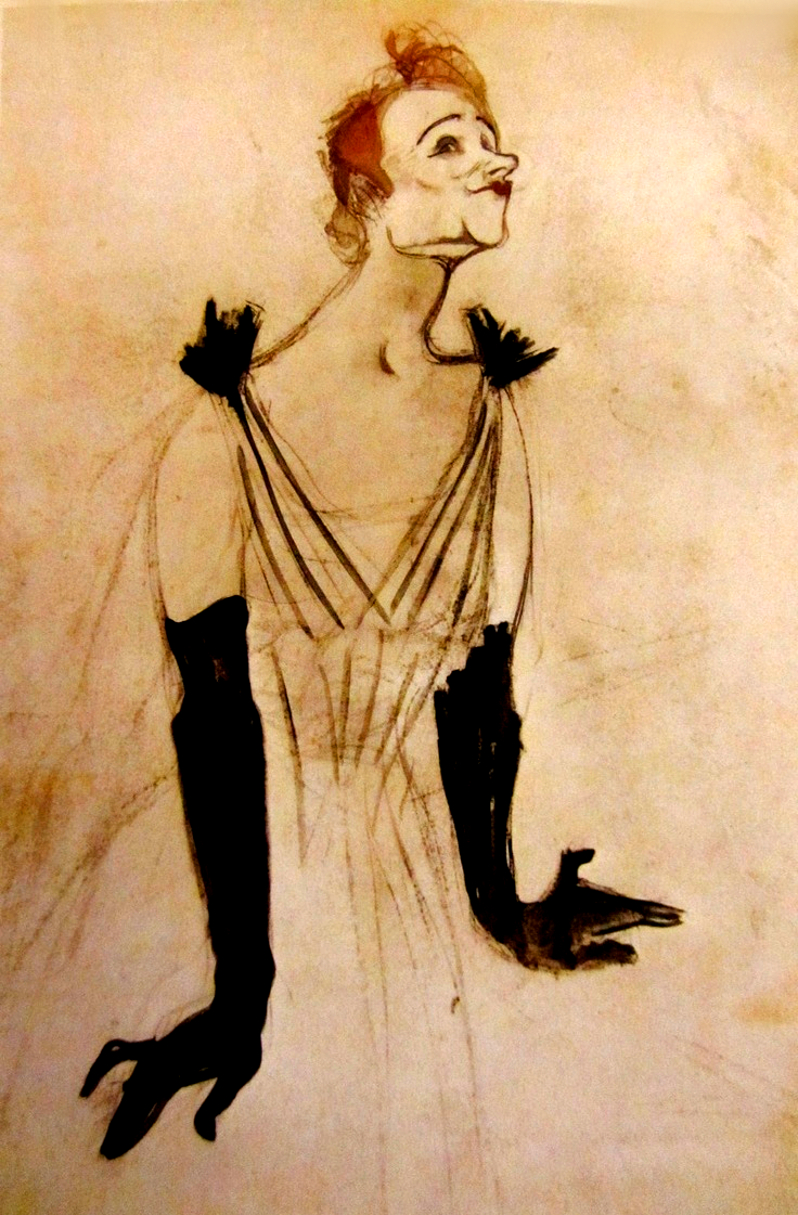
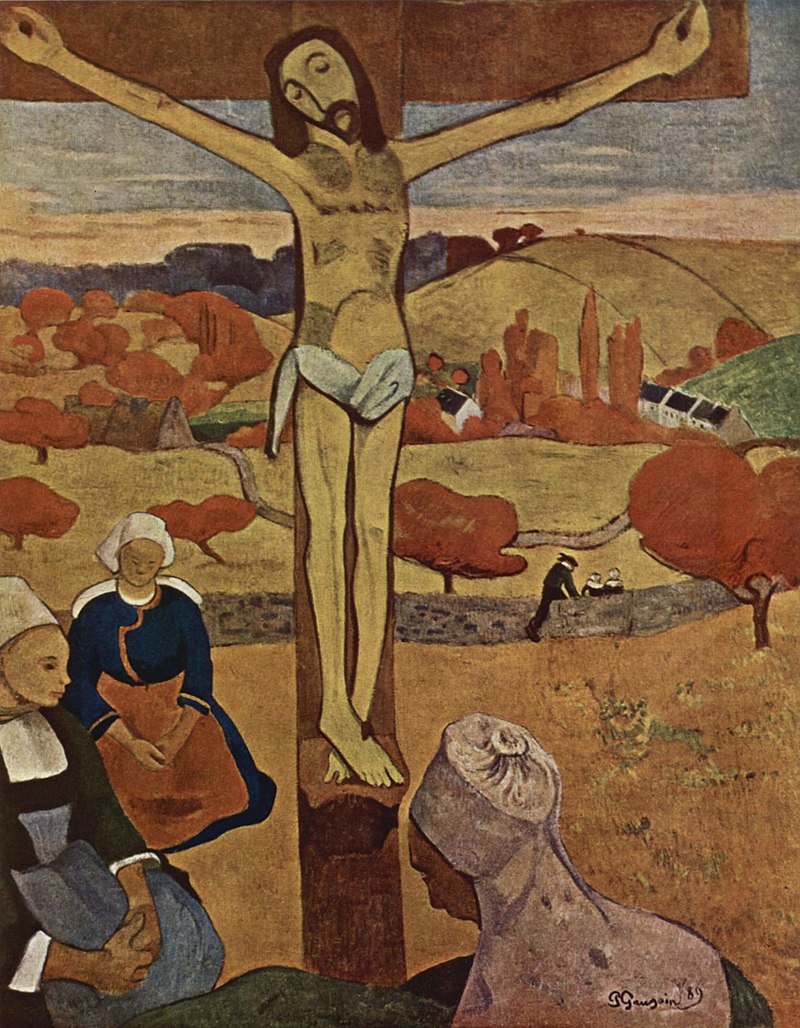
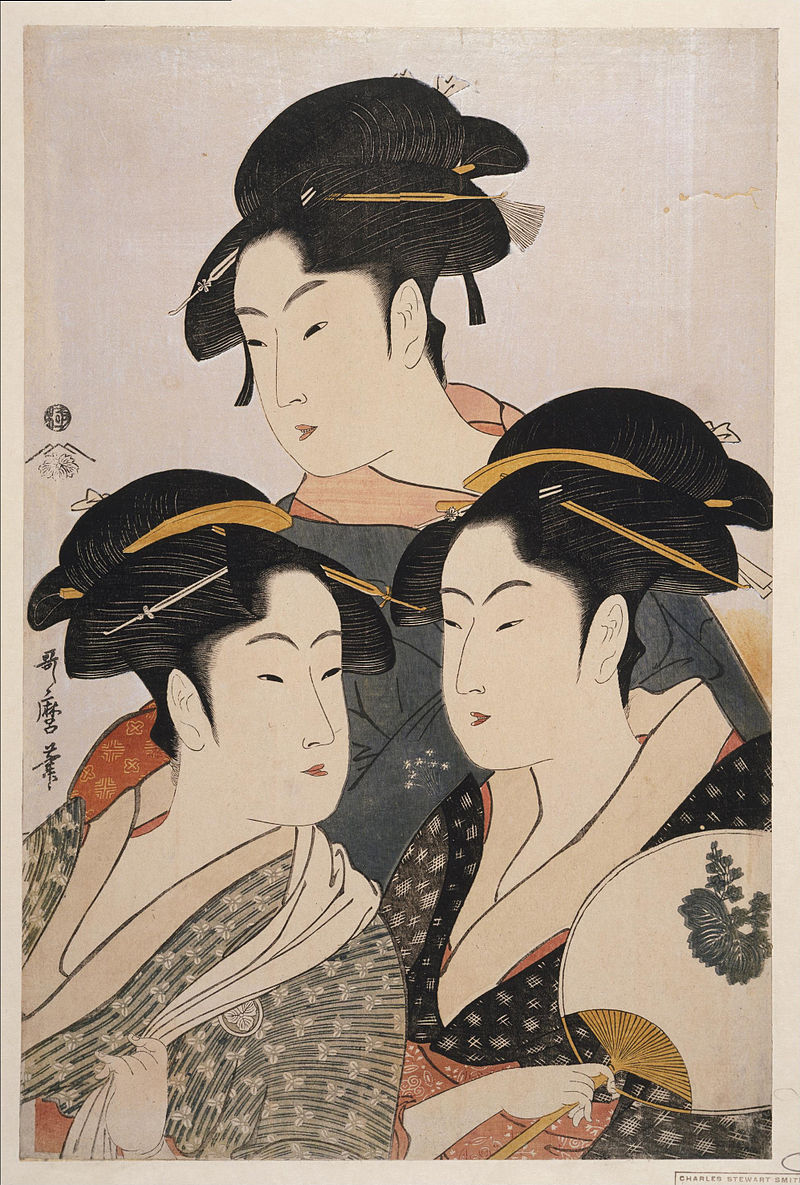
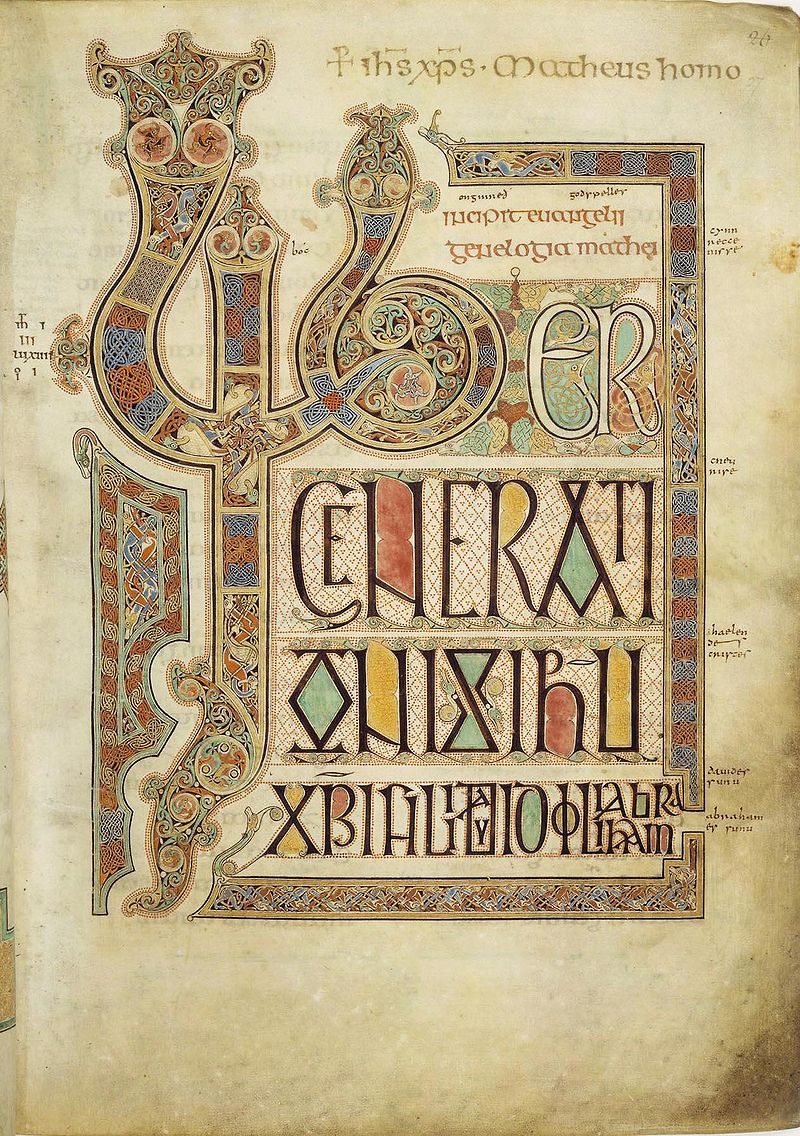
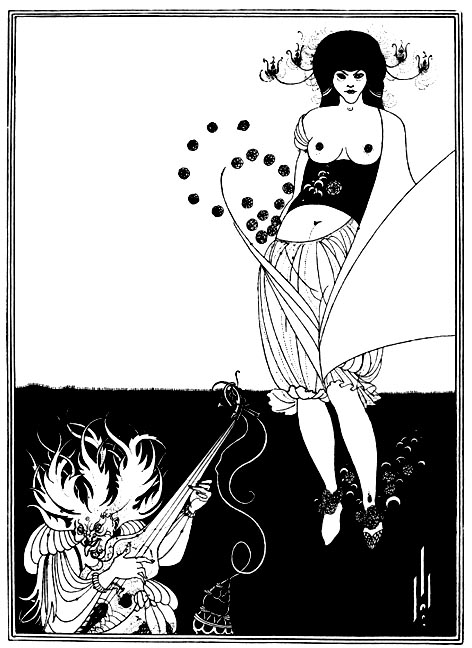
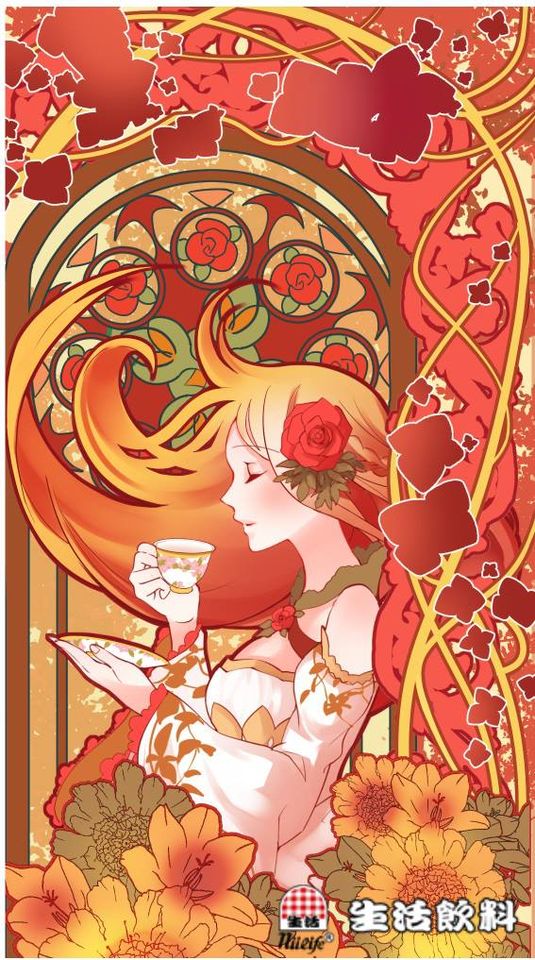
Art Nouveau used simplified botanical, floral, and animal motifs as decorative elements, with graceful women as the main subjects. It emphasized harmony between typography and imagery, and employed sensual, flowing curves and asymmetrical compositions. To modern audiences it feels natural, organic, aesthetic, romantic, delicate, elegant, sensual, classical, and retro. Building on the Arts & Crafts Movement, it influenced Art Deco and the Modern style, and in the 1960s—a century later—it also left its mark on hippie culture and psychedelic art.

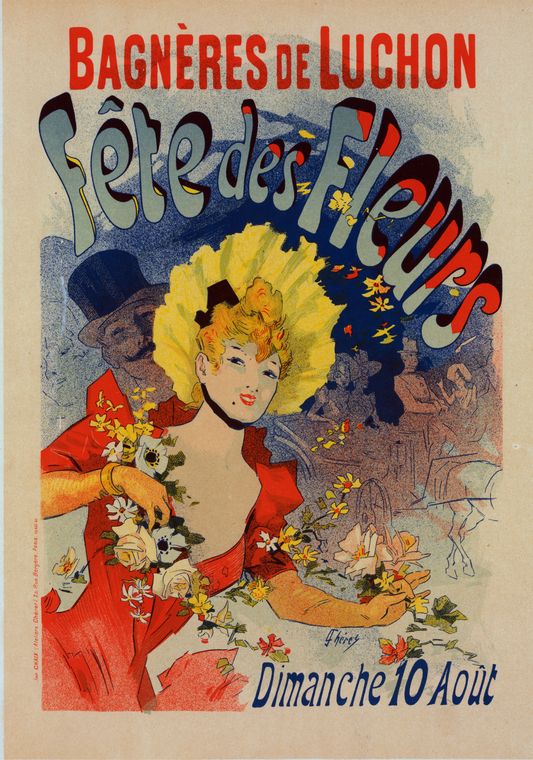
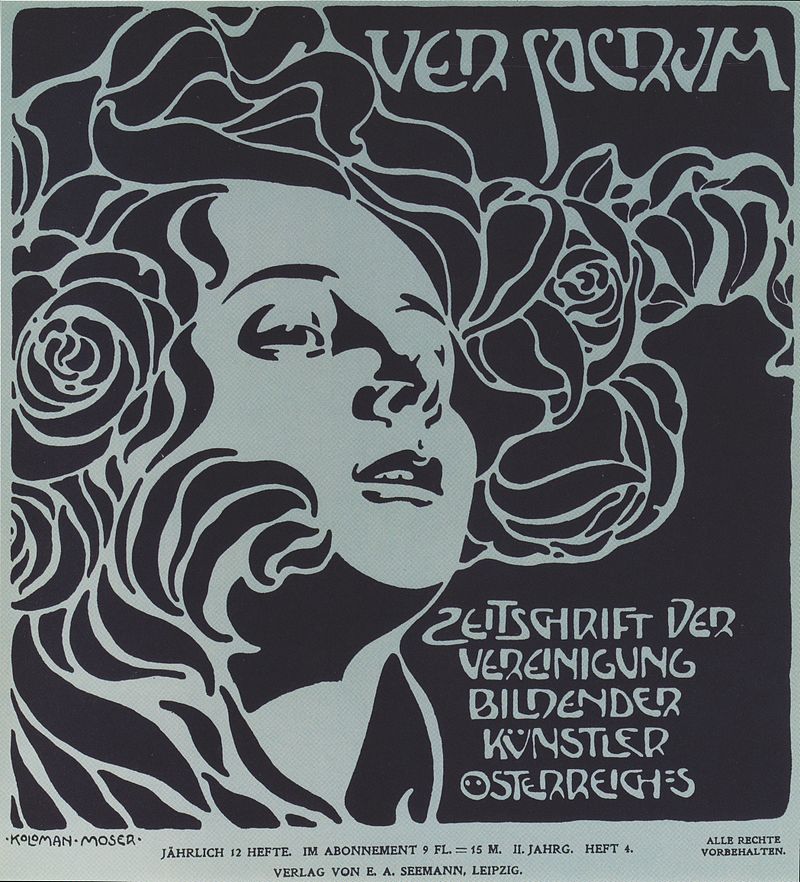
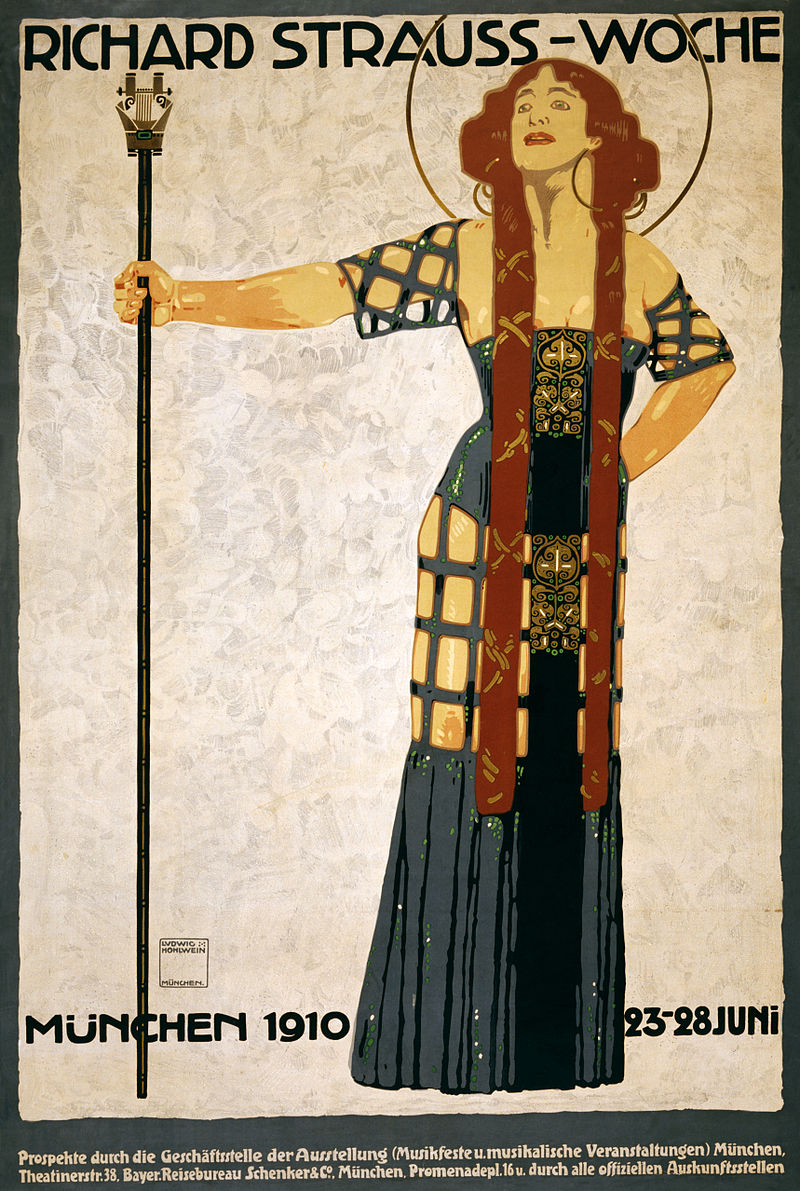
Hippies and Art Nouveau
"We are people of this generation, bred in at least modest comfort, housed now in universities, looking uncomfortably at the world we inherit." — So reads a passage from the Port Huron Statement of 1962.
Despite the dawn of a new peace, struggle did not end. The new enemies could not be vanquished by gunpowder and firearms. Young university graduates faced the alienation of capitalism and machine-like bureaucracy. The civil rights movement, anti-war movement, counterculture, hippies, and sexual liberation reflected the conflicts and anxieties of the 1960s.
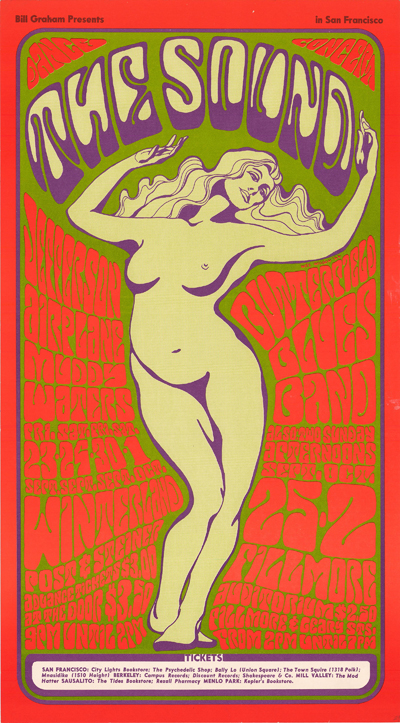
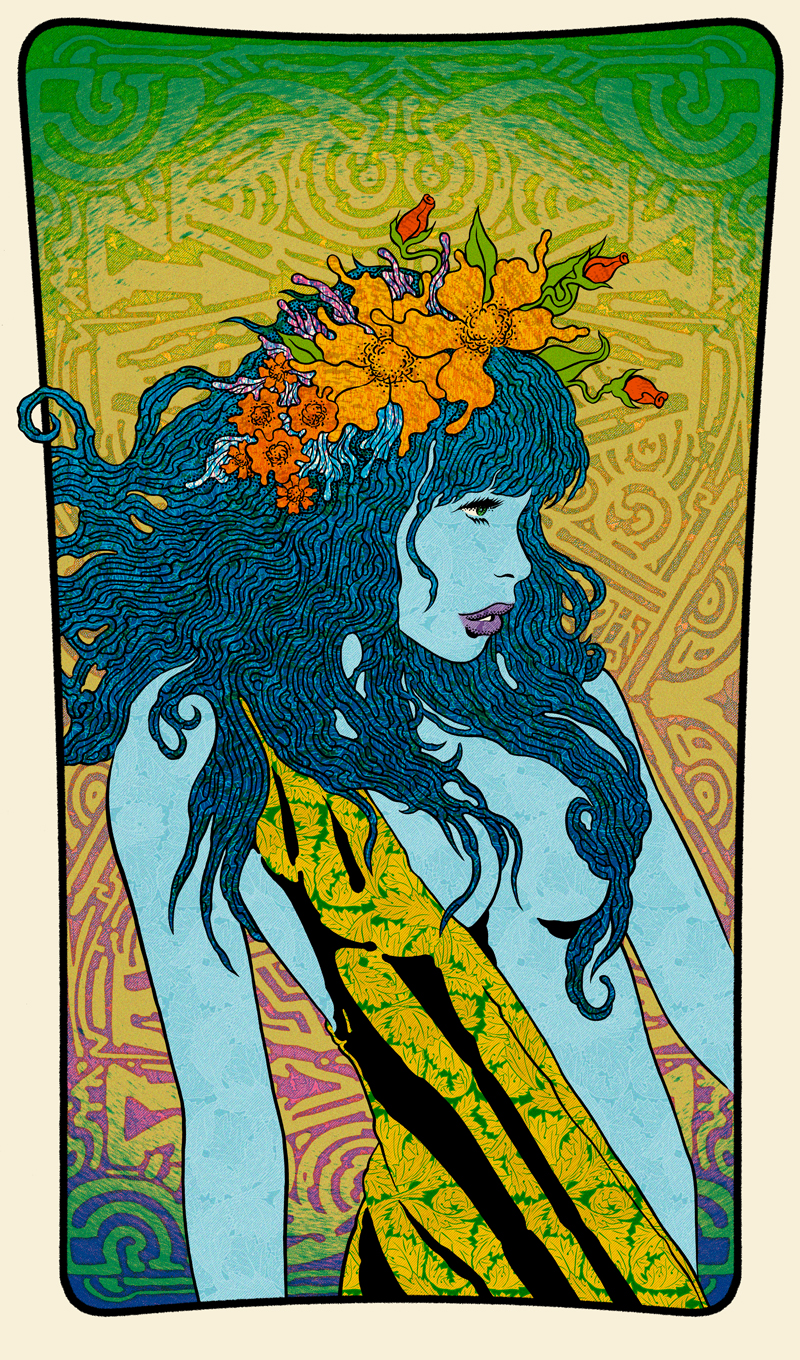
Young hippies confronted social inequality, corporate greed, narrow traditional morality, and the inhumanity of war. They championed love and peace—some called them "Flower Children." Visually, they embraced a naturalist aesthetic that aligned with Art Nouveau's earlier experiments. Combined with the psychedelic art style associated with the widespread use of LSD, Art Nouveau re-emerged in the public eye during the era of Psychedelic Rock and Acid Rock, often appearing on band posters and album covers. Psychedelic art is another topic I'll explore in a future article.
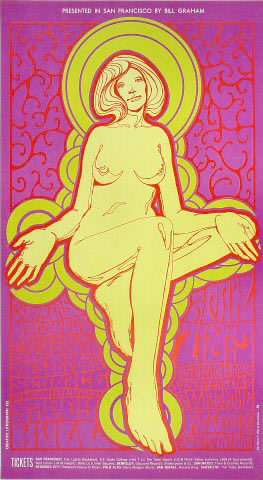
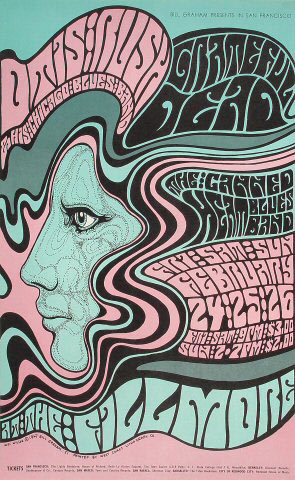
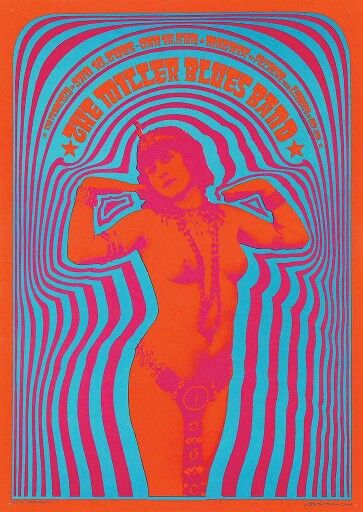
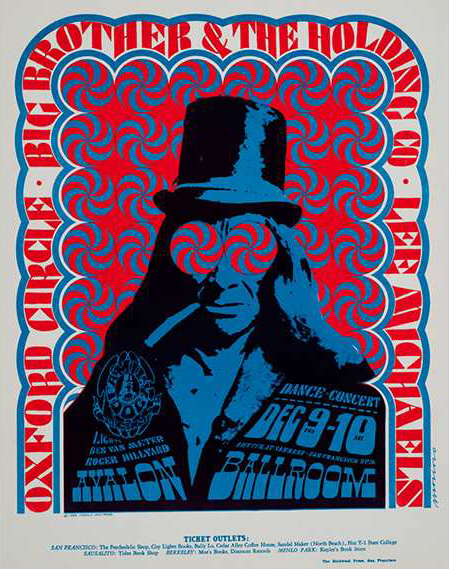
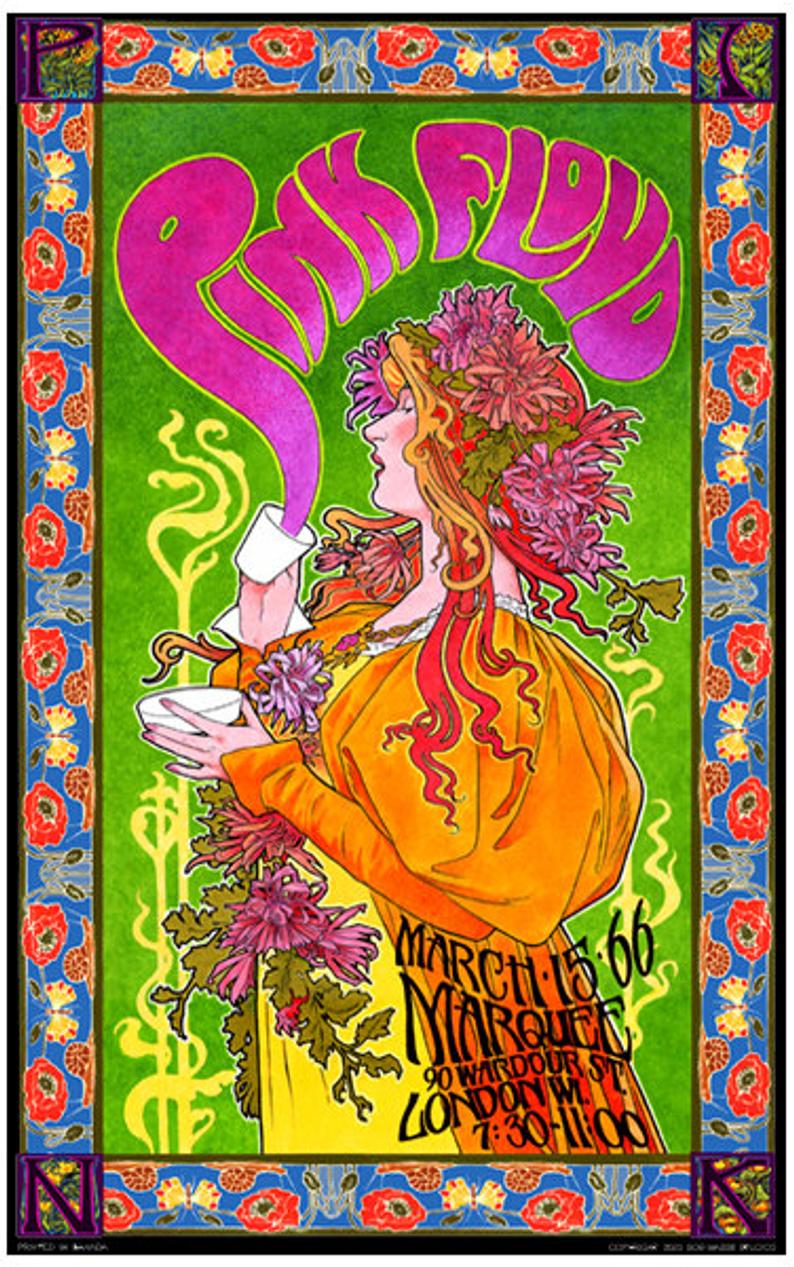
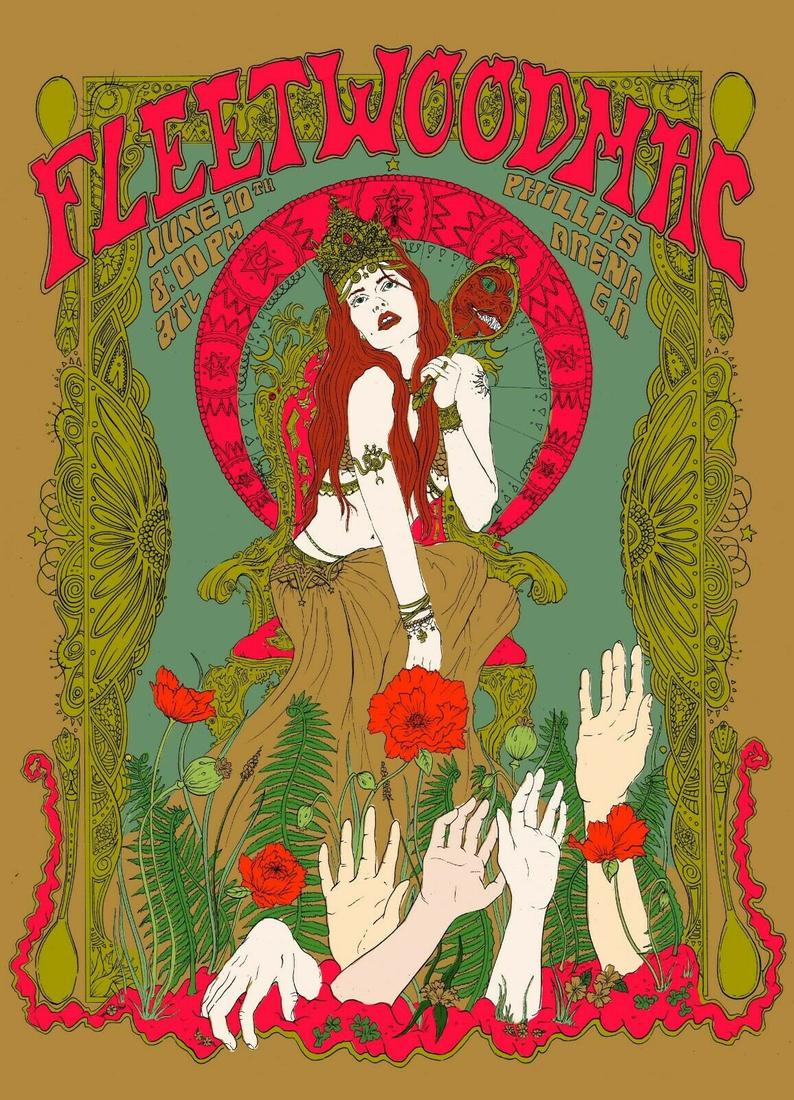
Neo–Neo Art Nouveau
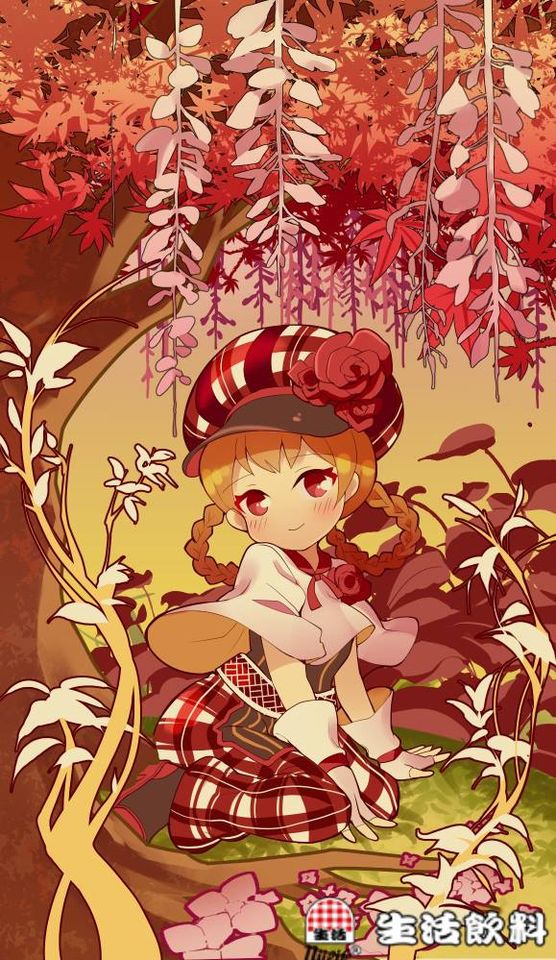
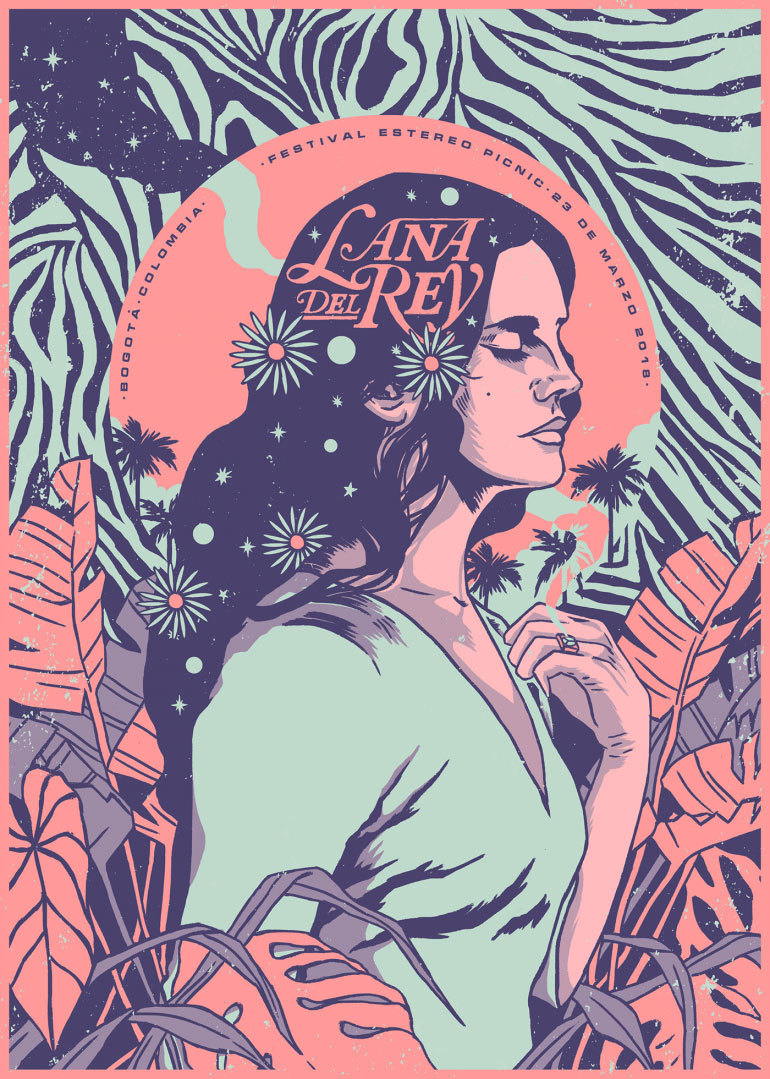
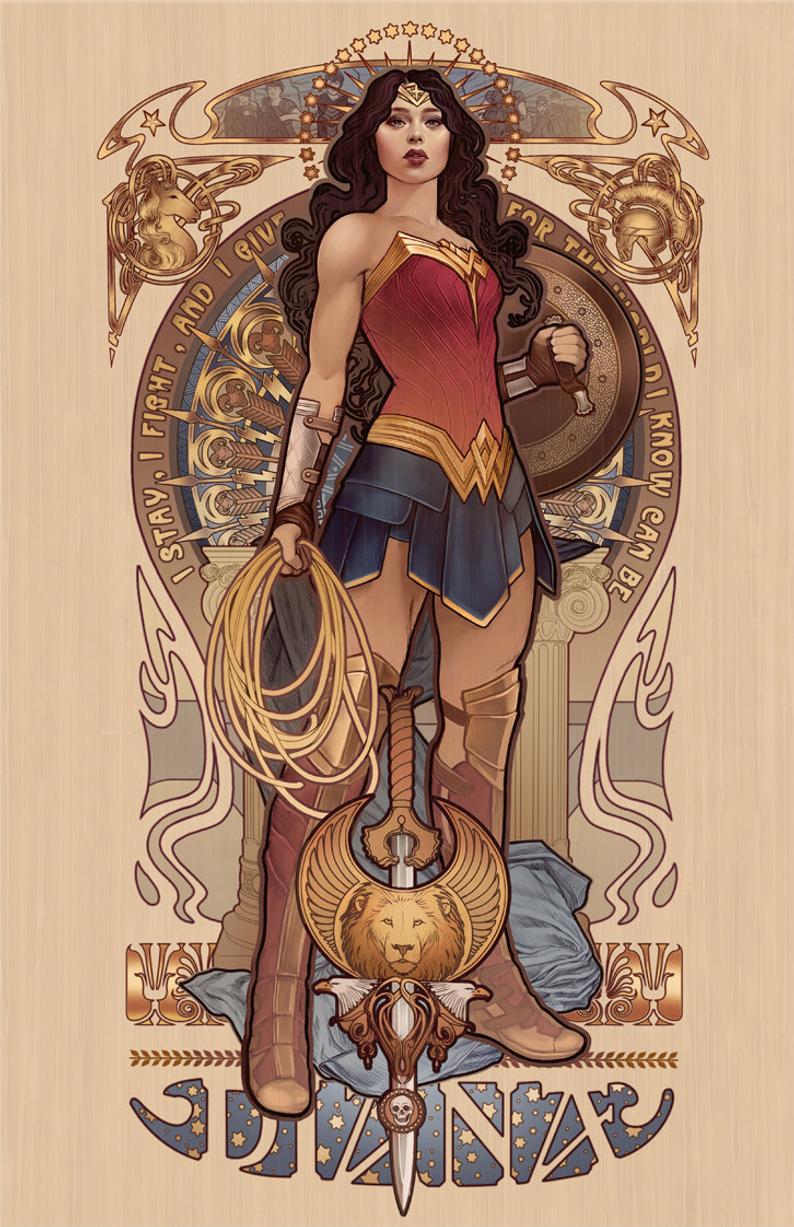
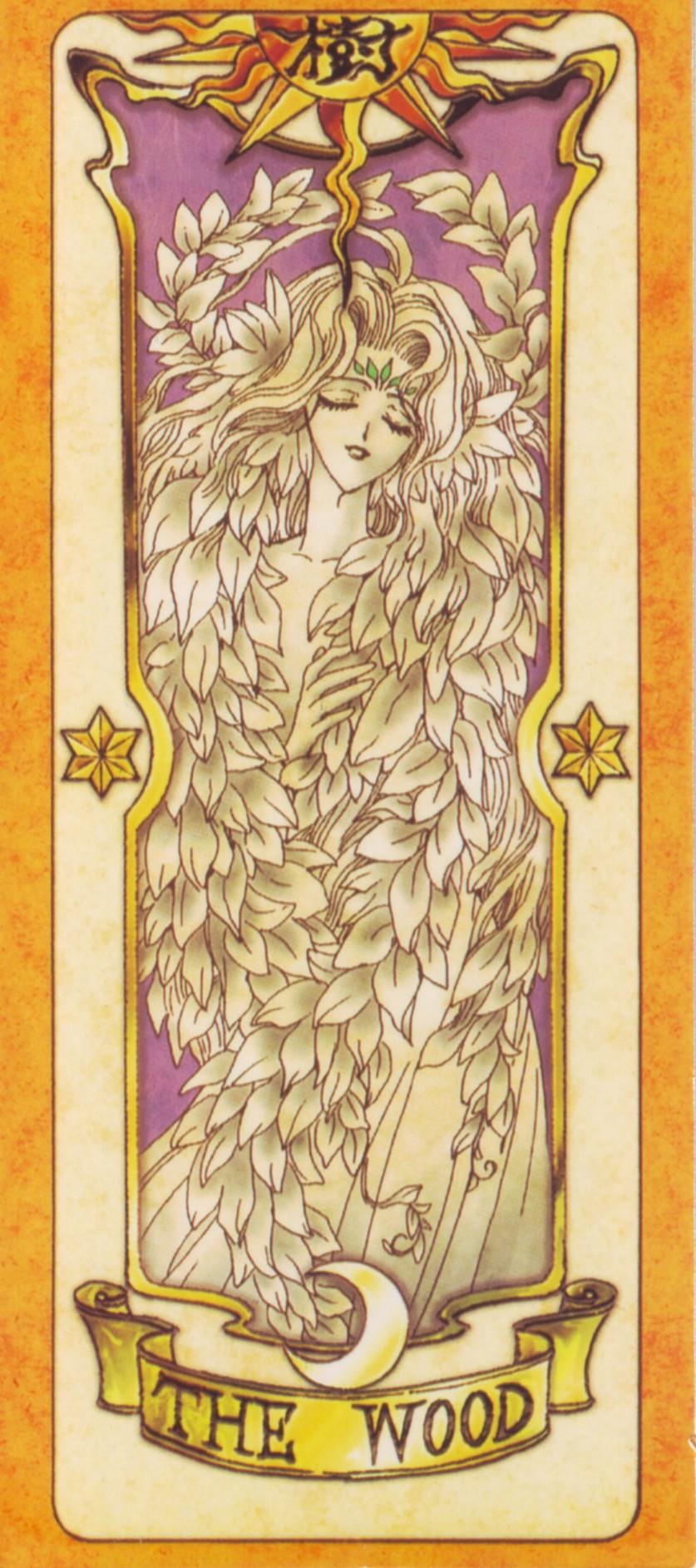
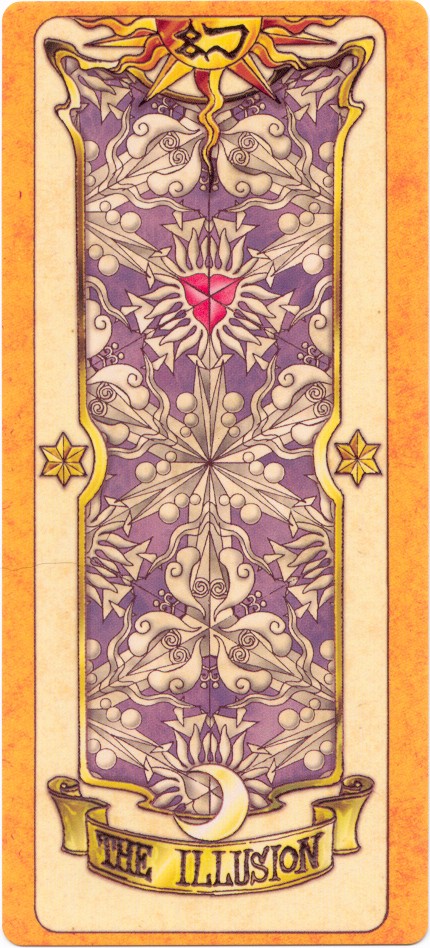
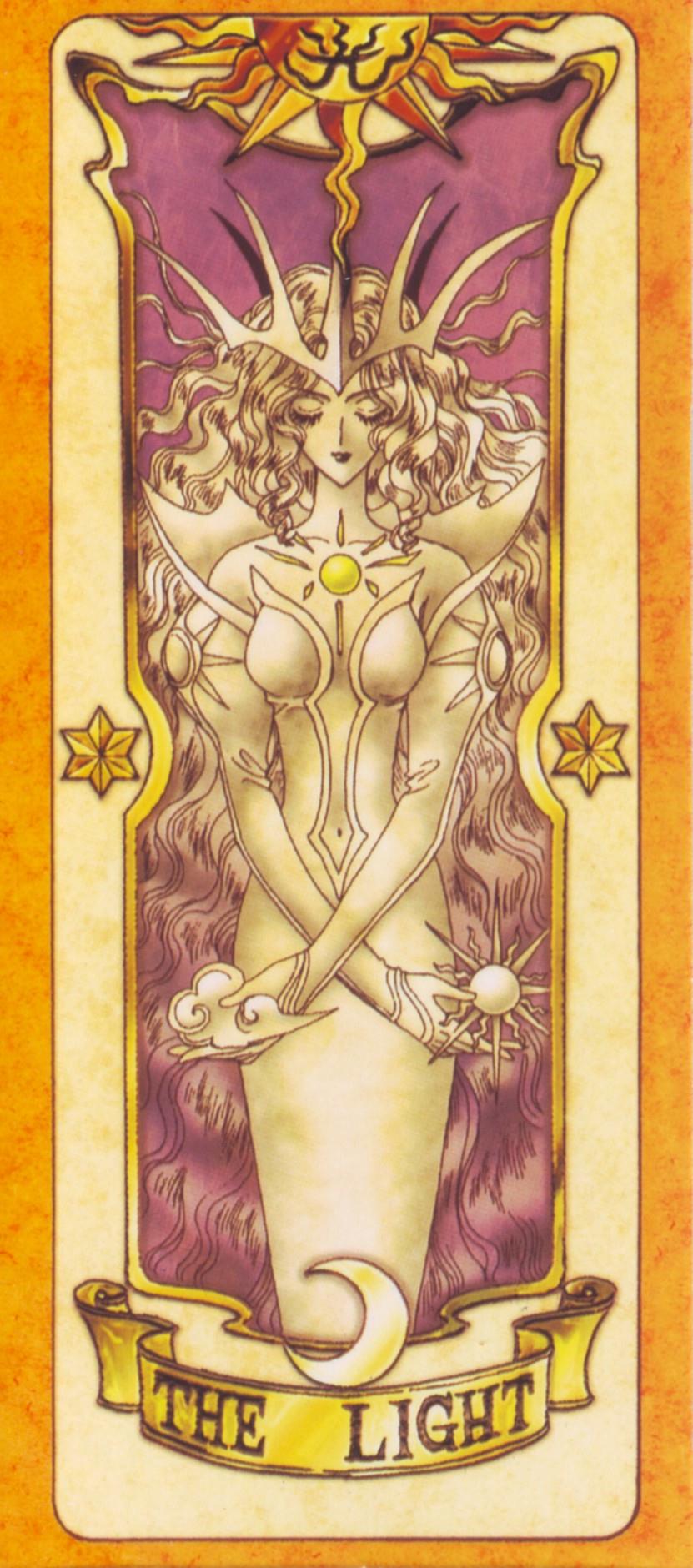
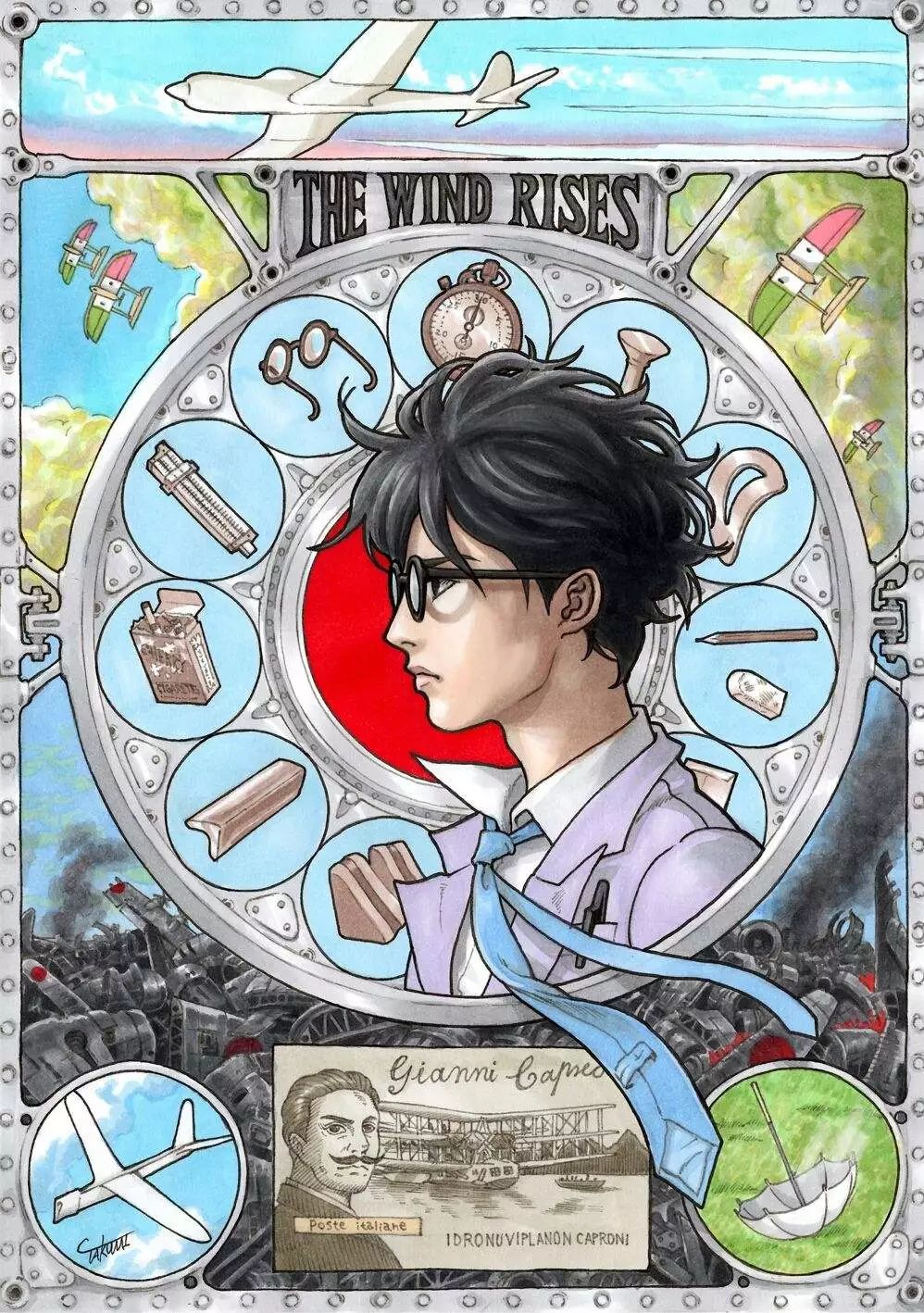
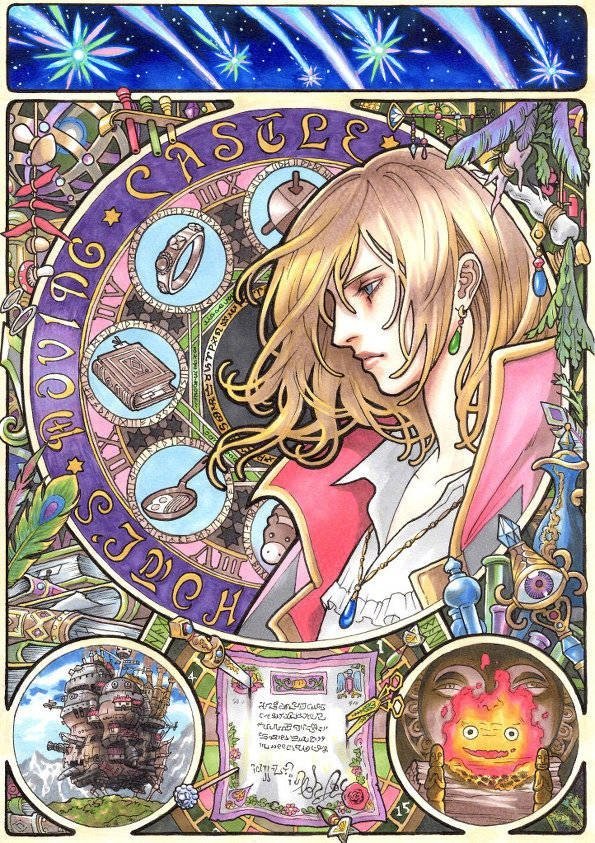
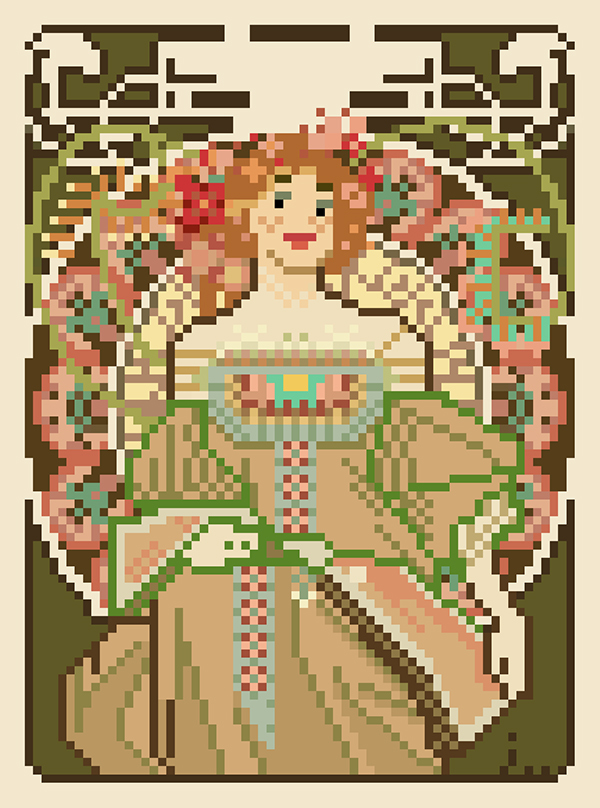
Art Nouveau style is rarely seen in recent design work; instead, it often appears in illustration and Japanese anime. Searching for "ミュシャ風" (Mucha style) on Pixiv or Twitter will open the door to a whole category of illustration. The well-known manga by CLAMP—Cardcaptor Sakura (also known as Cardcaptors or Cardcaptor Sakura: Clear Card)—features Clow Card designs with Art Nouveau influences. The style can also be found in many shōjo manga.
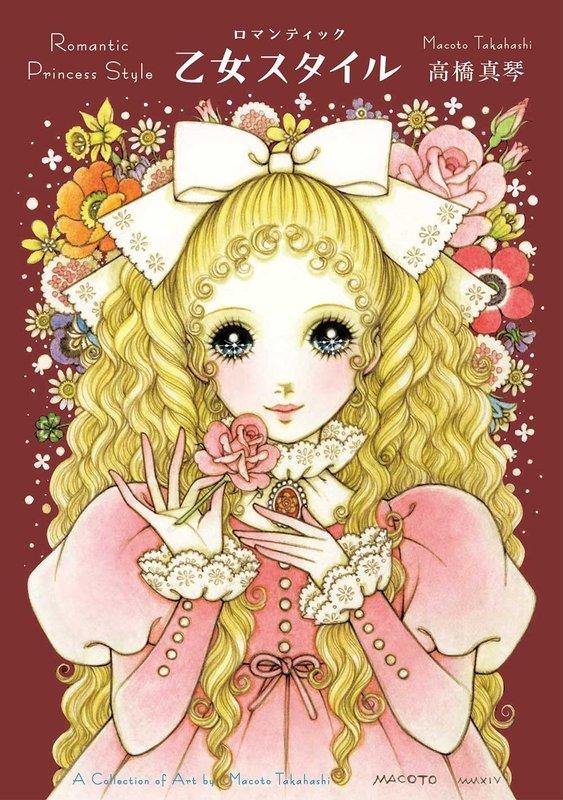
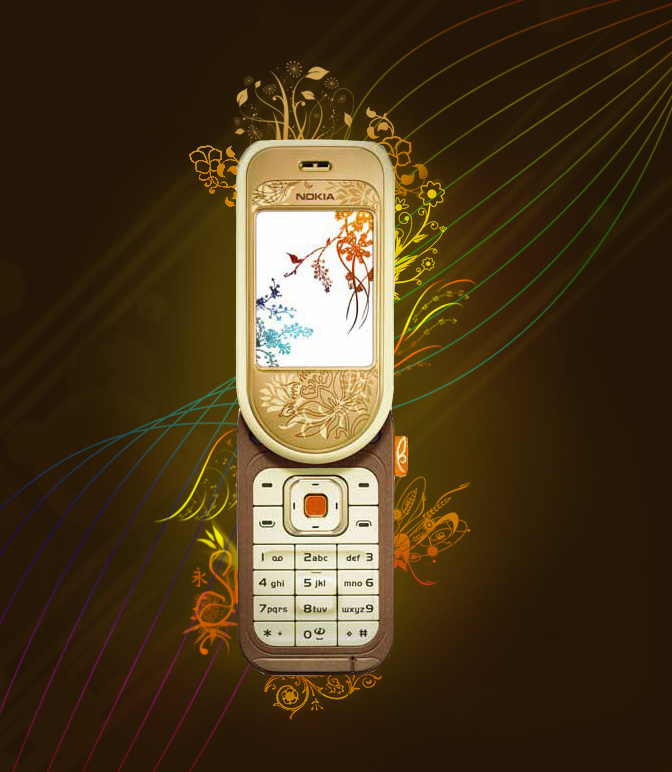
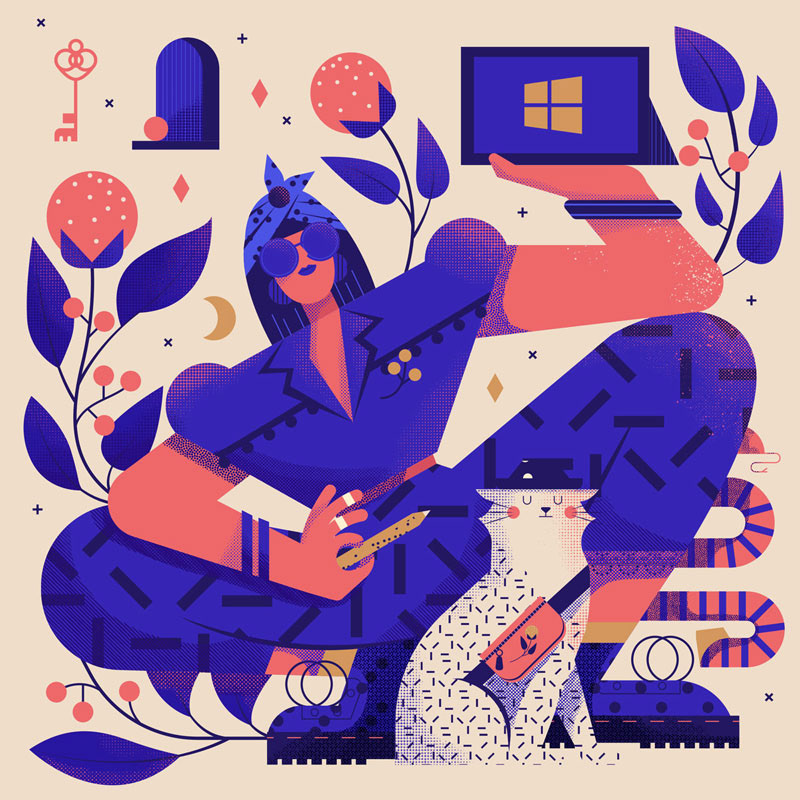
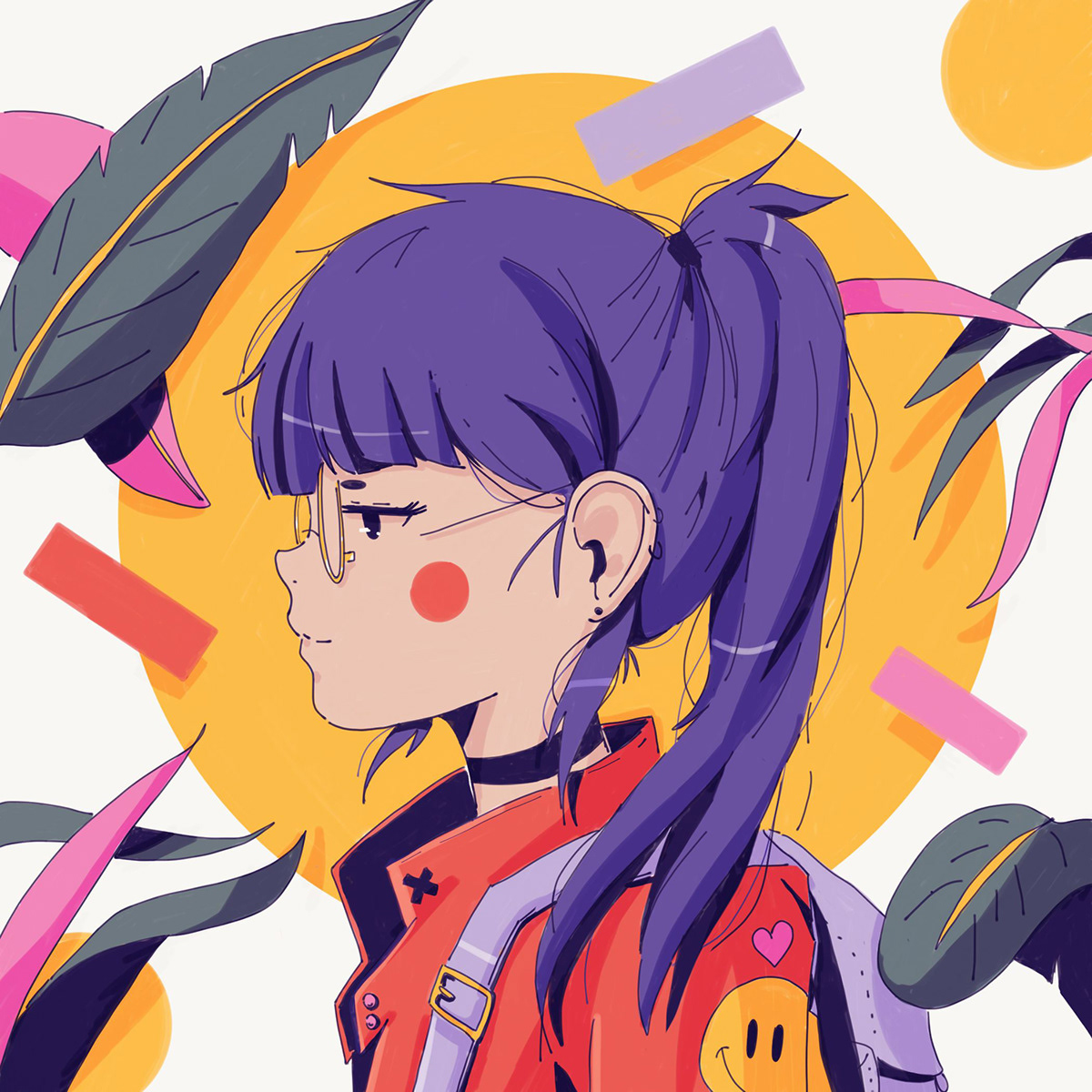
Lately, pattern-based illustration has shown a growing tendency toward primitivism—floral, vine, and plant motifs are often used as retro elements in graphic design. In fashion, Hawaiian shirts have remained popular from 2019 through 2020—essentially wearing flora on your body, a perennial staple. These signs do not necessarily point to an Art Nouveau revival, but they do suggest that people's love for plants and flowers is timeless. Why not try incorporating some Art Nouveau elements or techniques into your next project?
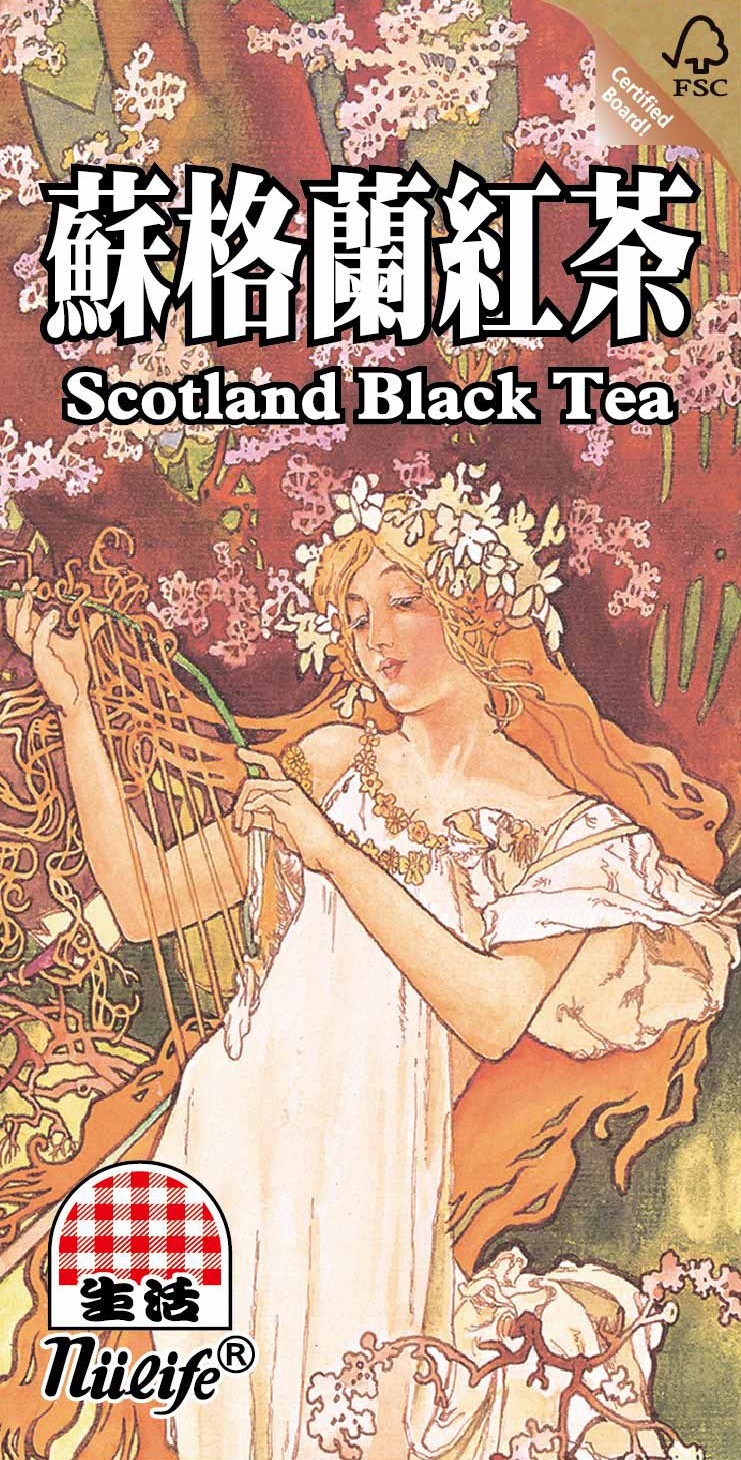
References
Jugendstil (Wiki), 1900 World's Fair (Wiki), Jules Chéret (Wiki), Alphonse Mucha (Wiki), Gisbert Combaz (Wiki), Aubrey Beardsley (Wiki), Albert Klingner, Antoni Gaudí (Wiki), Paul Gauguin (Wiki), Toulouse-Lautrec (Wiki), Bill Graham (Wiki), Wes Wilson (Wiki), Book of Kells (Wiki), Henry van de Velde (Wiki), ART EMPEROR—Art Nouveau Movement, Did you know Japanese manga was once accused of plagiarism?, INSPIRATION | "The Art Nouveau Poster"—The Golden Age of Art Nouveau Posters, Art Nouveau and hippie art, Art Nouveau, The difference between Art Nouveau and Art Deco explained!, Arts and Crafts vs. Art Nouveau: Two Iconic Styles, One Major Difference, Art Deco, Art Nouveau, Arts and Crafts: What's the Difference?, Why so many yearn for the 1960s—a book reveals the key events, How Art Nouveau Inspired the Psychedelic Designs of the 1960s
Please credit the source and inform me if you wish to reprint; I appreciate your respect for intellectual property.
If you spot any errors or have different views or research to share, feel free to leave a comment below or contact me on
Instagram
!