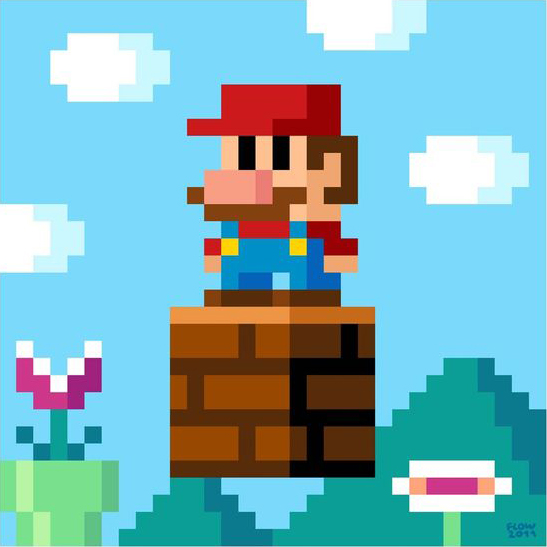
«Constraints and limitations can spark your creativity.»
During my final year of university, while struggling with my graduation project script, a teacher shared this line in class. At first I thought it only applied to scriptwriting, but lately I've come to appreciate its broader meaning.
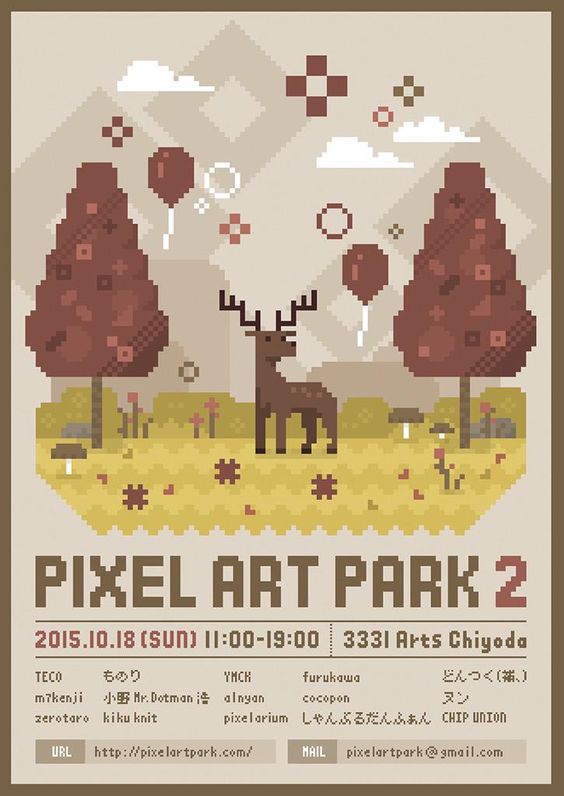
No creator works in complete freedom—we are all constrained by time, energy, or the rhythm of the world around us. As design branched off from art, and computers and software became widespread, design and art in recent years have increasingly emphasized compressing time to boost output. Against this trend, styles like flat design, minimalism, and #Low-poly have gained ground. Pixel art, too, emerged from its own set of constraints, and thrived because of them.
What is Pixel Art?
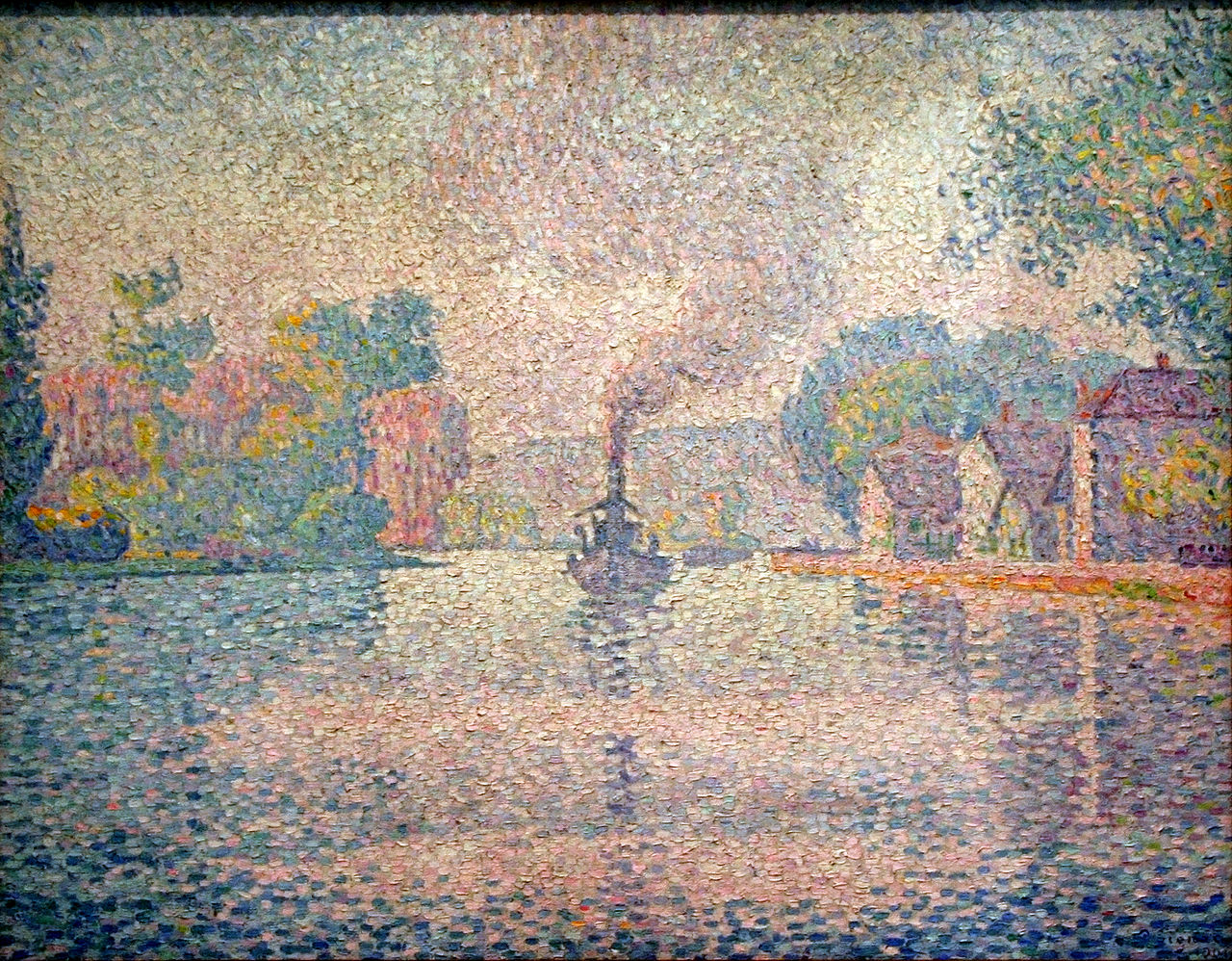
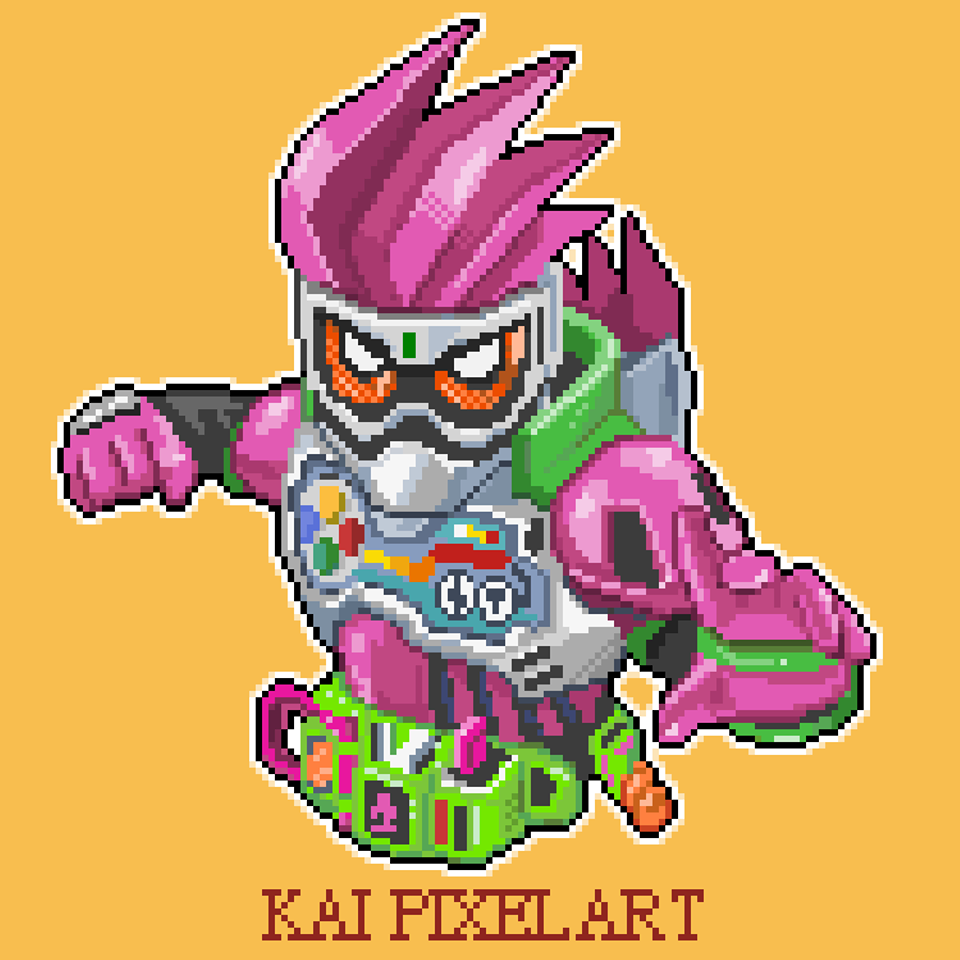
Pixel art originated in video games. Early titles such as Pac-Man (1980) and Space Invaders (1978) ran on computers and consoles that could not deliver the 1080p or 4K resolutions we take for granted today. Pixel artists found ways to work within a limited pixel count and produce strong imagery. Some also trace the style’s roots to Pointillism—creating images from discrete dots.

Is Pixel Art Dead?
As technology advanced, smooth 2D curves and 3D graphics became the norm, and pixel art evolved into a nostalgic visual style. It remains closely tied to video game culture and has become a symbol of game art. For many enthusiasts, pixel art still holds strong appeal. Recent games continue to use the style, and because it is relatively light on computing resources, it also suits web and UI applications. Pixel art’s abstracted forms often read as cartoon-like and chibi, giving it a distinctly cute feel.

Pixel Art in the New Era
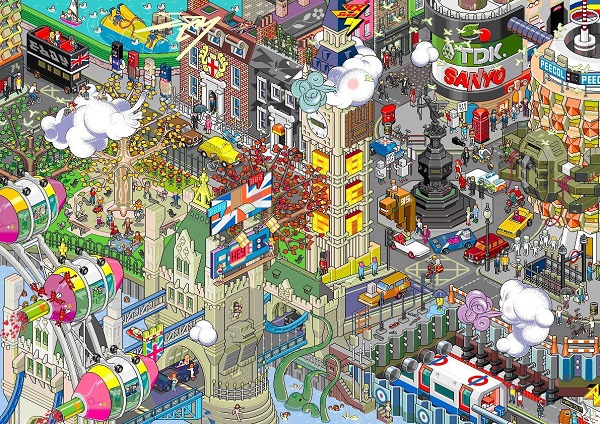
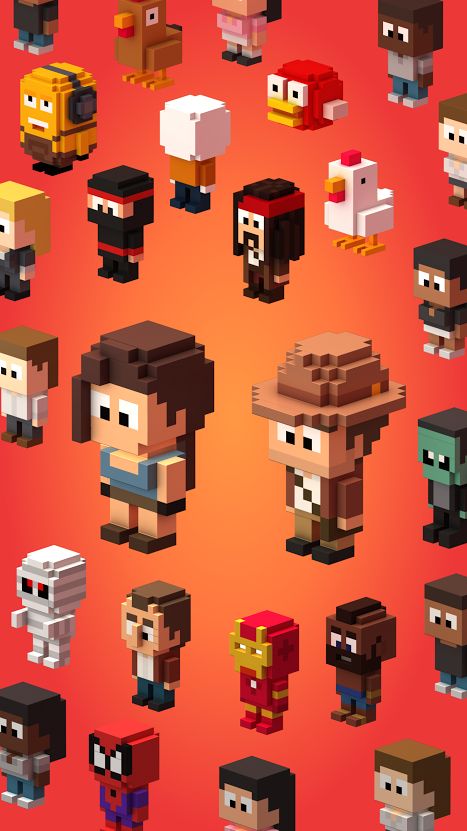
Although pixel art feels retro, it has never gone out of style. In recent years, artists have continued to use it as a medium, and many visual artists have incorporated pixel aesthetics into 3D engine–based work. eBoy has been devoted to pixel art since 1998 and is a graphic design studio focused on the style. Their clients include Nike, Paul Smith, PlayStation, Kidrobot, and others—proof of pixel art’s ongoing appeal. eBoy’s Kai Verschamer explains why the medium endures:
«We chose pixels because we wanted to control the smallest unit of the screen. It turned out that the limitations and modular nature of pixels are very interesting for creation.»
Pixel Art Around the World
Europe & Americas

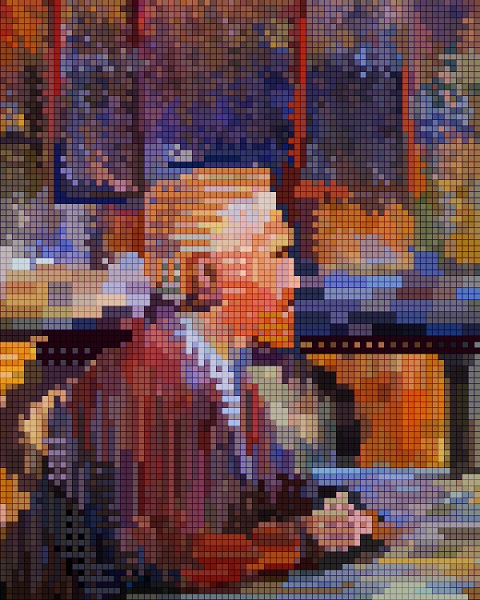
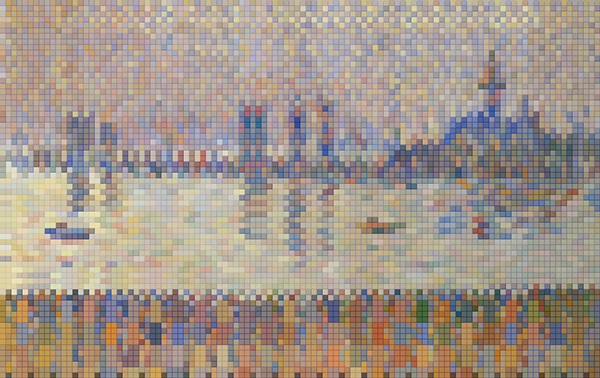
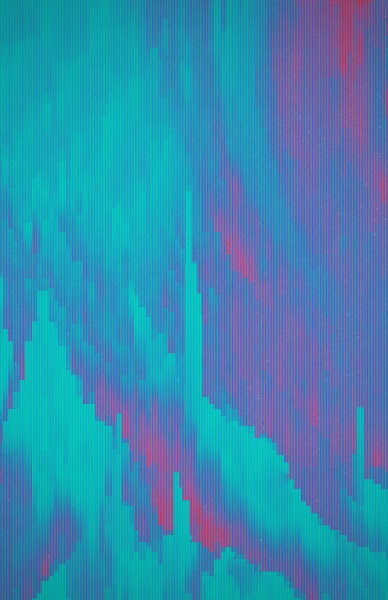


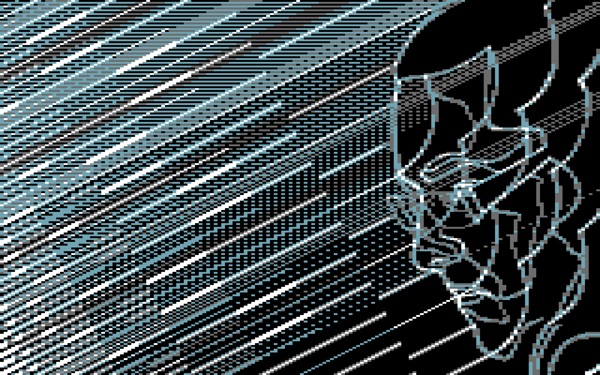
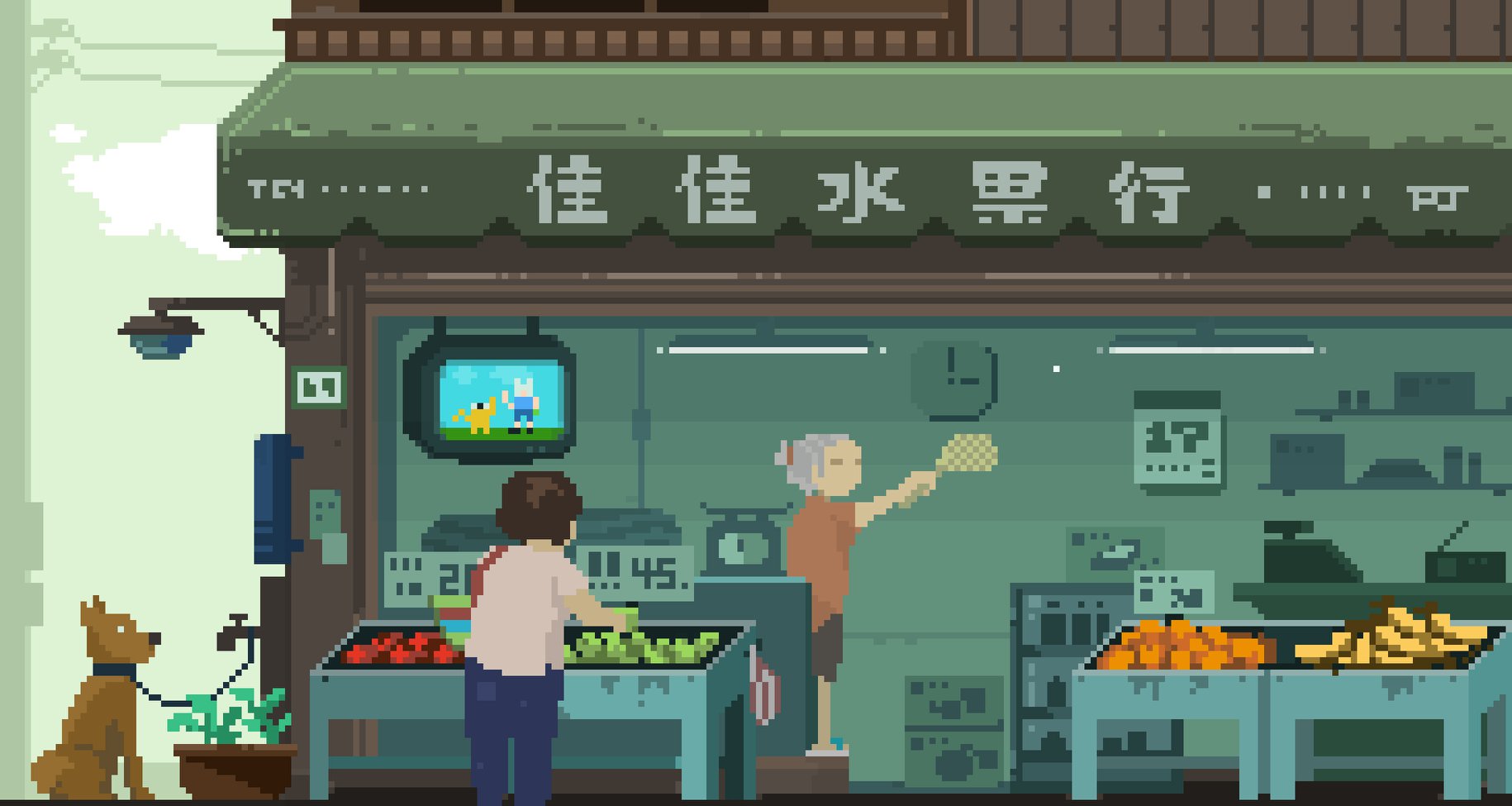
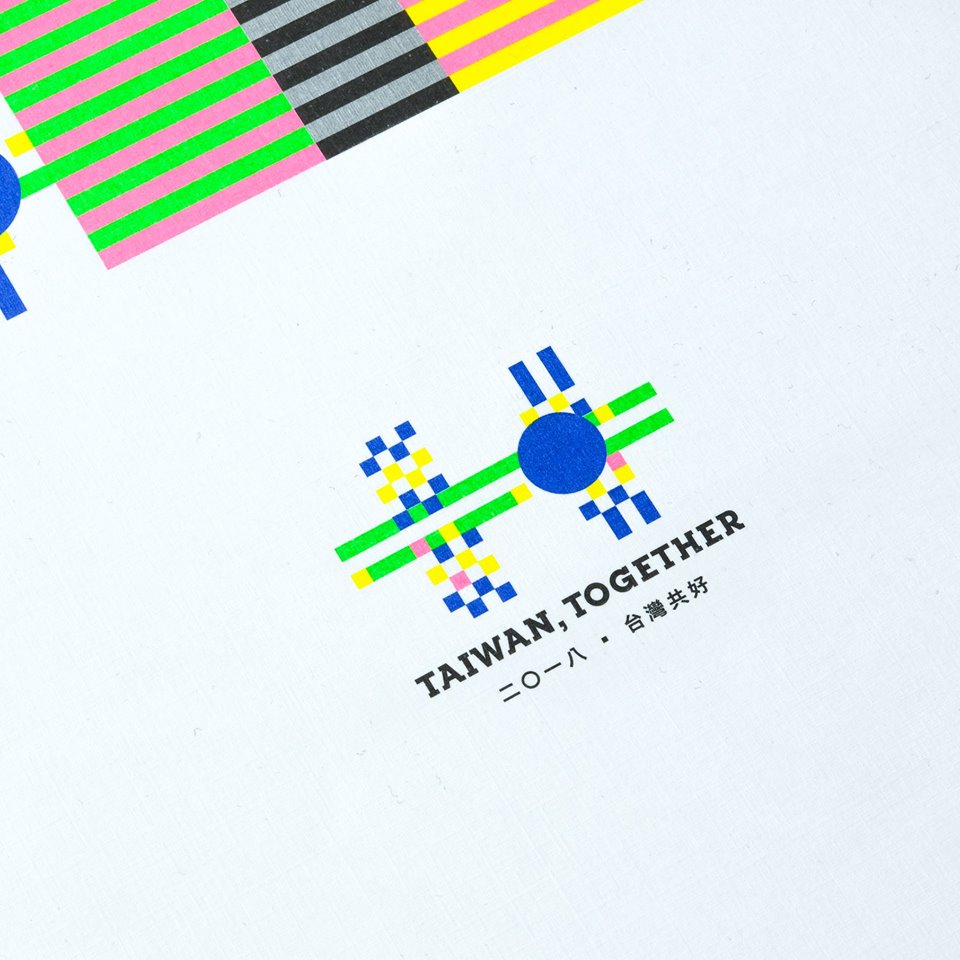
Taiwan












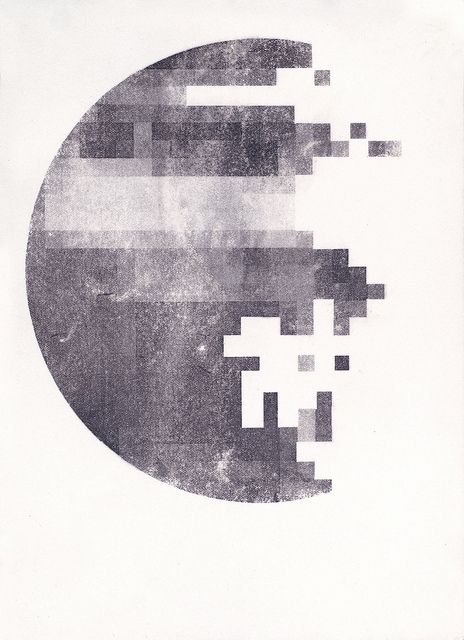
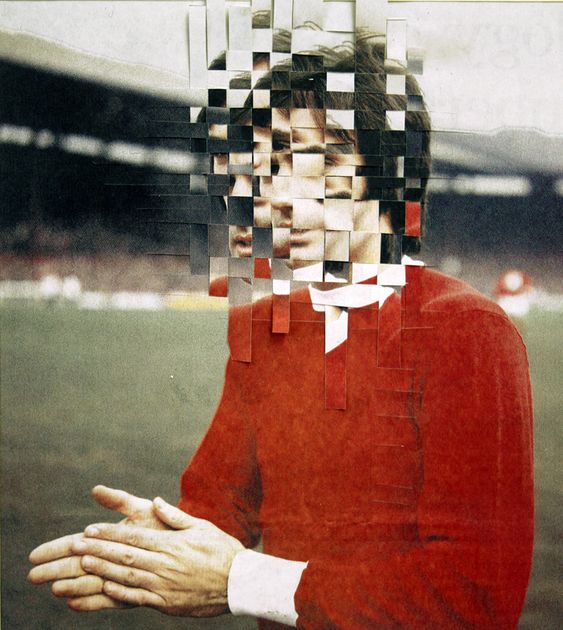
Other Visual Applications


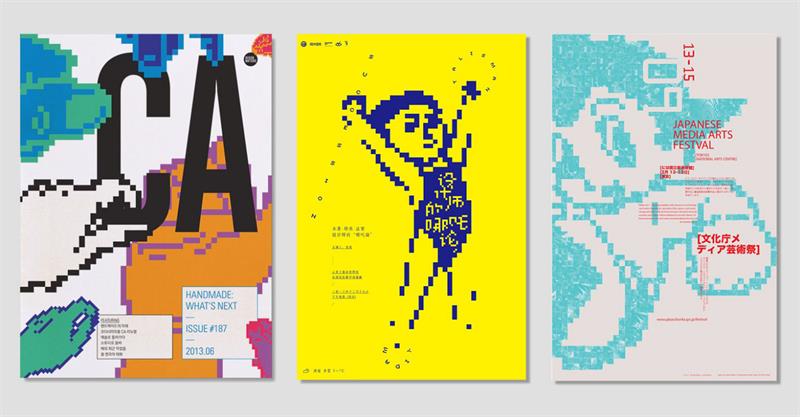
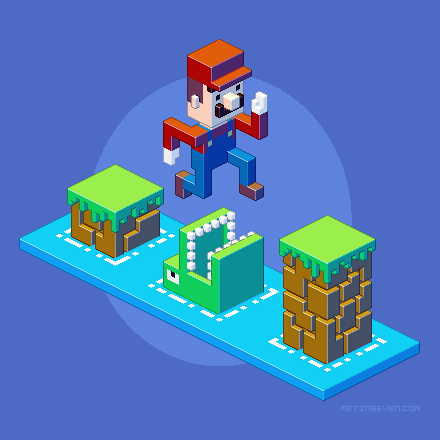
References
«The Past, Present and Future of Pixel Art»
«Wiki: Pixel art»
🤙 If you’re a pixel artist who specializes in this style, let me know—I’d be happy to feature you here!
Please indicate the source and inform me if you wish to reprint; I appreciate your respect for intellectual property. If you spot any errors or have different views, feel free to leave a comment below or reach out on Instagram.