What is Art?
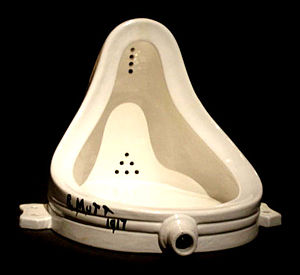
As early as the Dada movement during World War I, Marcel Duchamp used Fountain—a urinal bought from a chain store—as a ready-made, everyday object to challenge the sanctity of traditional art and pose the question: what is art?
Pop Art as Anti-Authority
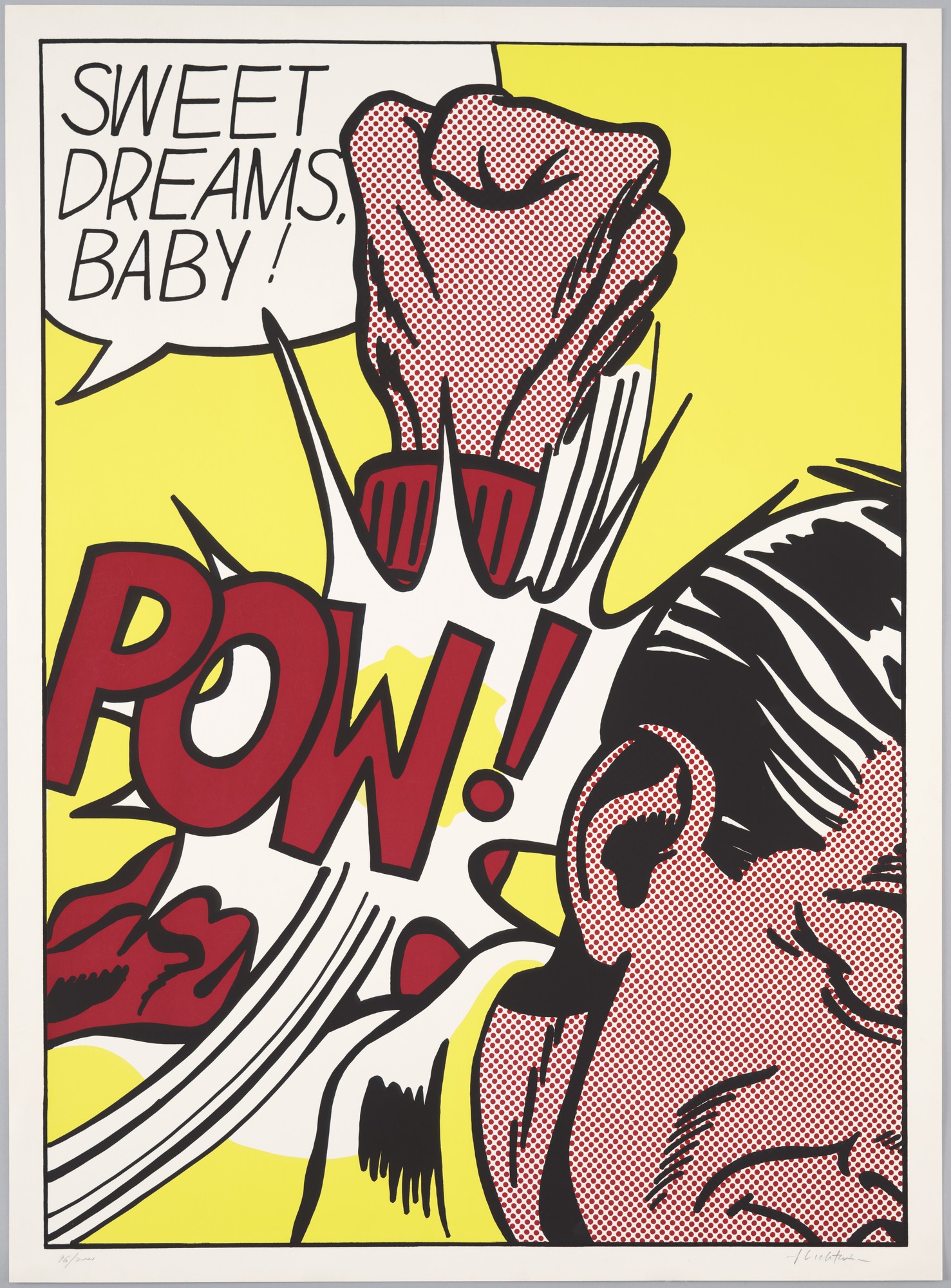
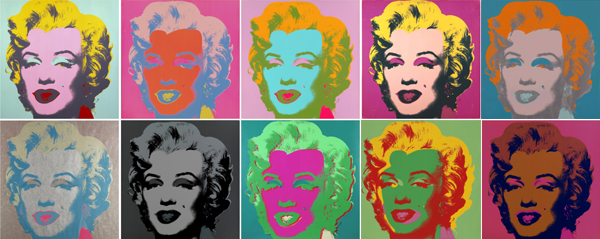
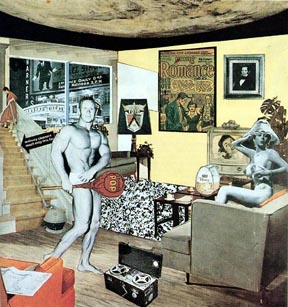
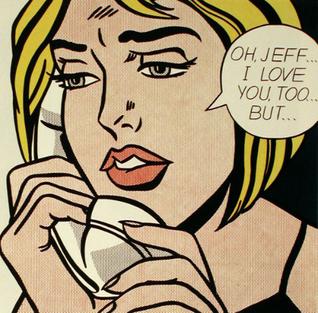
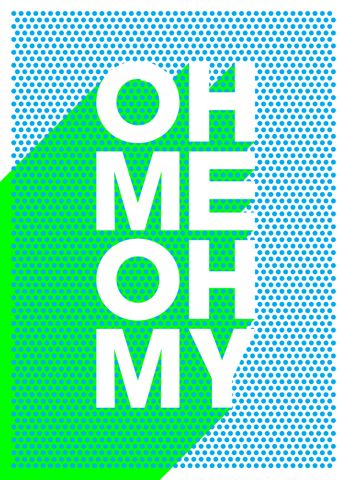
Fast-forward to the 1950s. Pop Art (also called "Popular Art")—often dubbed the New Dada—inherited Dada’s nihilism and anarchism to rebel against the dominant culture of the time. It turned to everyday life, popular culture, mass media, and ready-made objects as both material and subject. Comics, too, are part of popular culture. Roy Lichtenstein became famous for his comic-style works and his use of halftone dots. Many of his comic-inspired pieces are now in the collection of the Museum of Modern Art in New York. Other well-known Pop Art works include Andy Warhol’s Campbell’s Soup Cans and Marilyn Monroe series, and Richard Hamilton’s collage Just What Is It That Makes Today’s Homes So Different, So Appealing? Today, few would argue that these works are unworthy of serious attention—they appear in school textbooks as established classics.

Is Popular Culture Art?
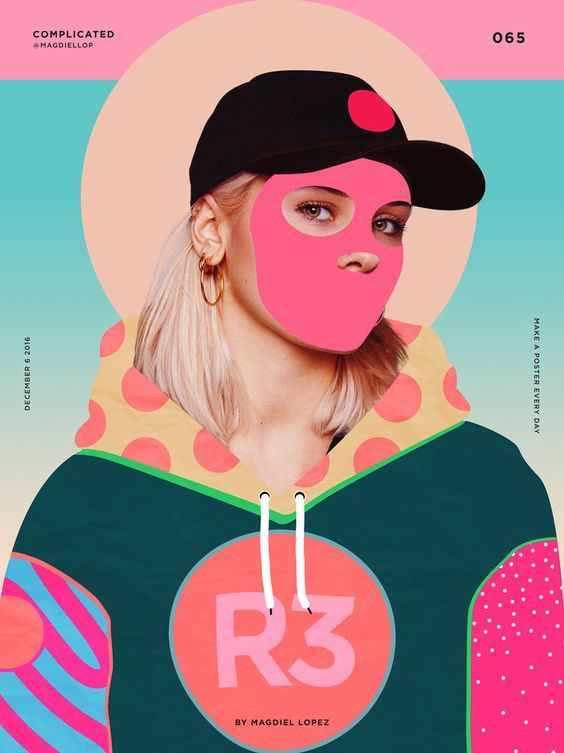
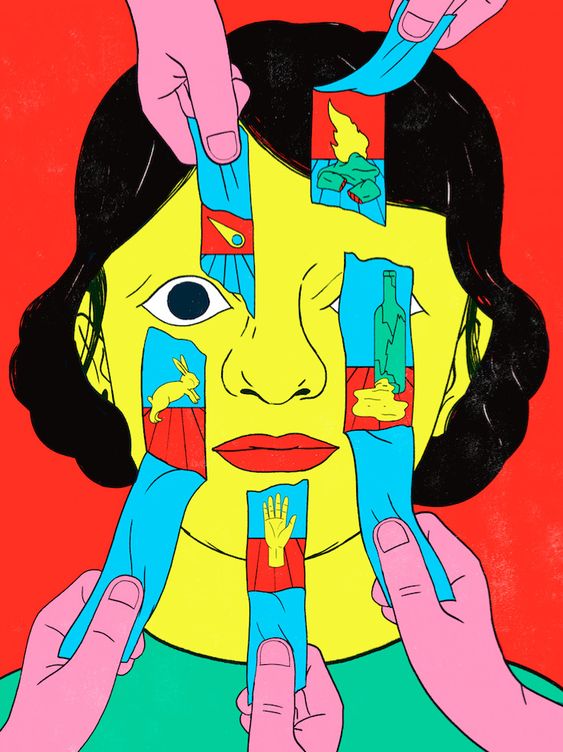
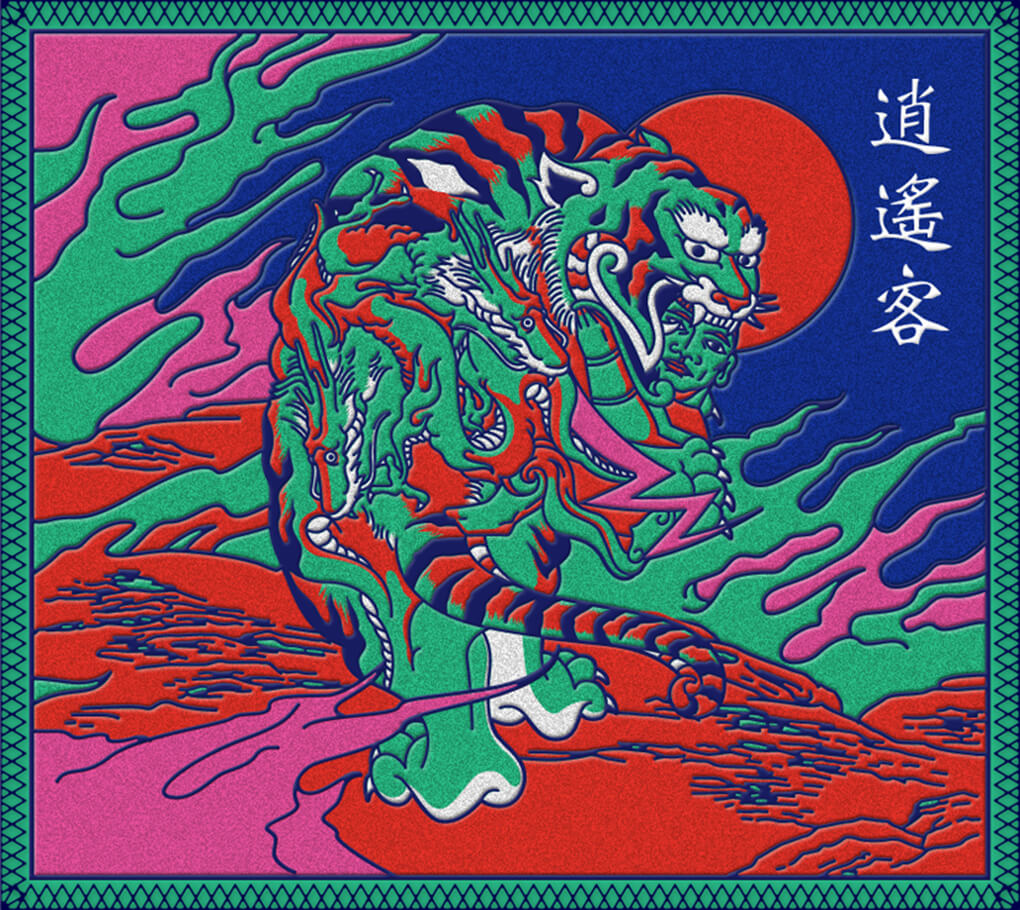
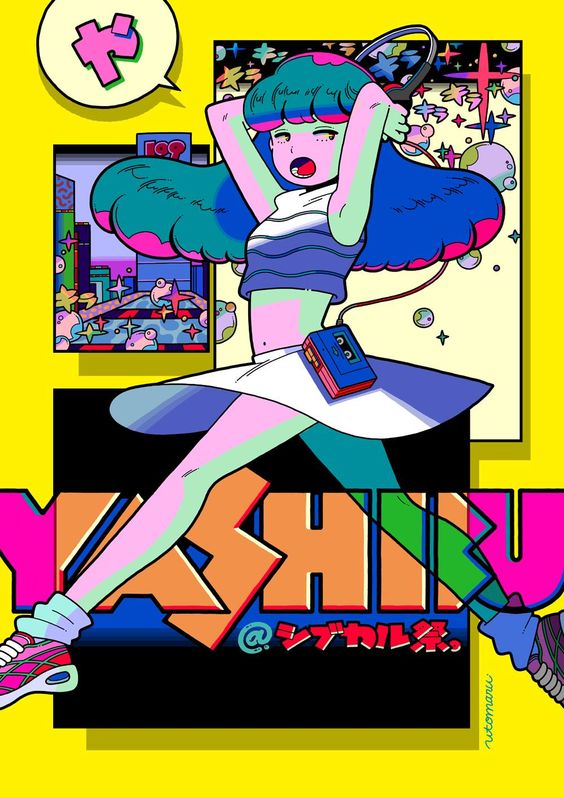
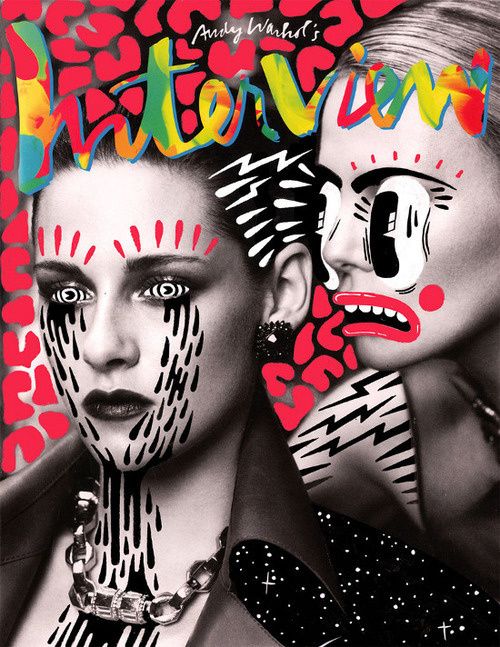
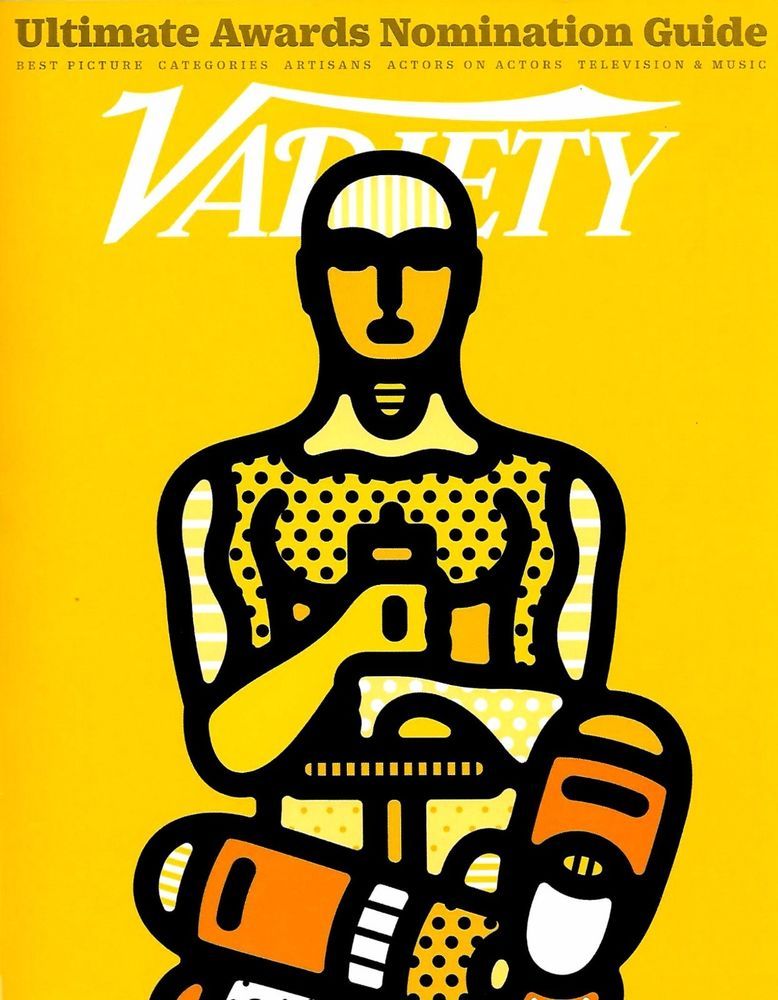
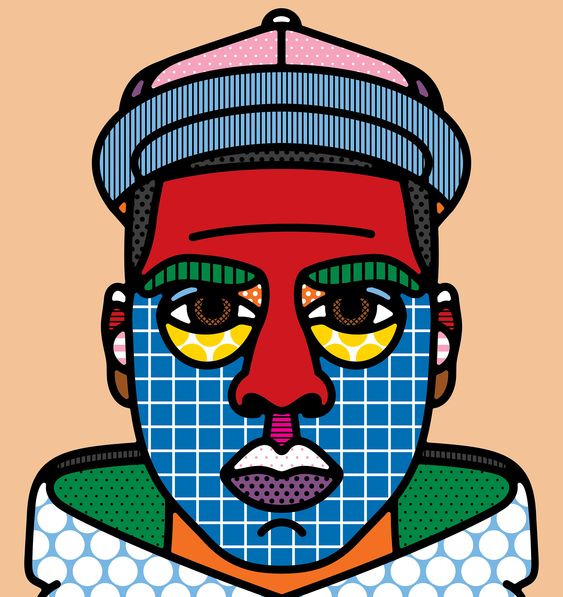
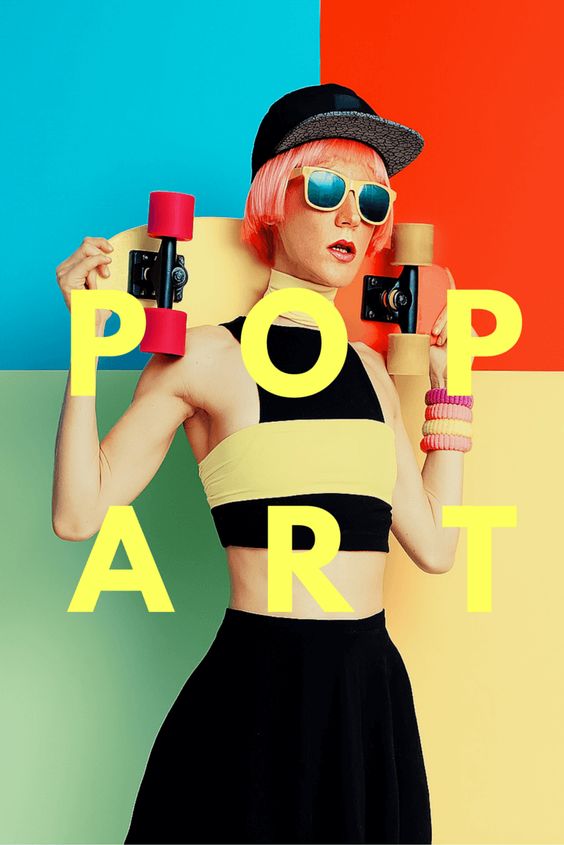
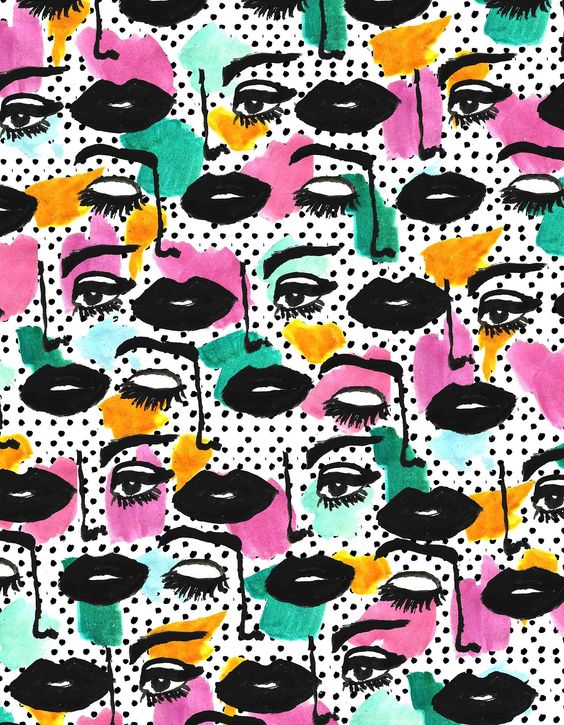
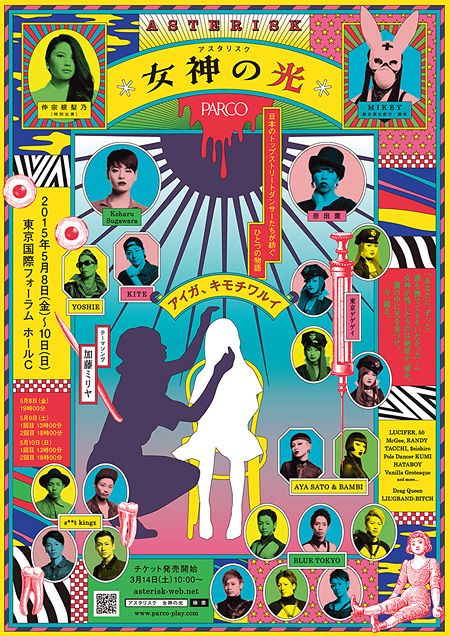
In its narrow sense, Pop Art is often associated with the works above—high-key, high-chroma complementary colours, black outlines, halftone dots, collage, exaggerated forms, and a strong visual impact.
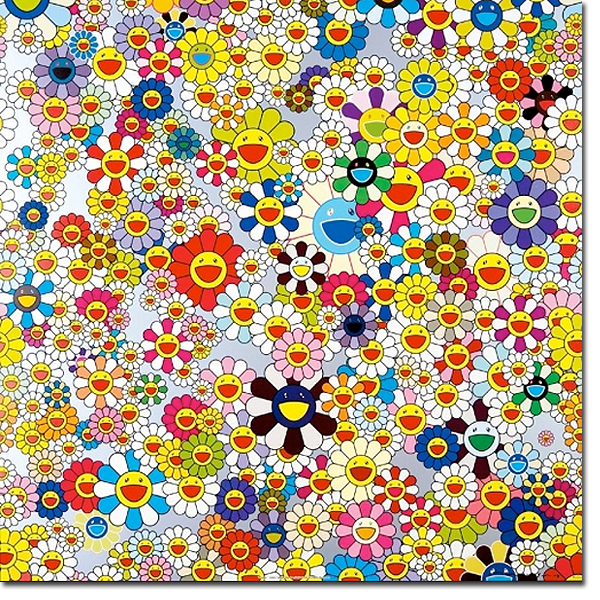
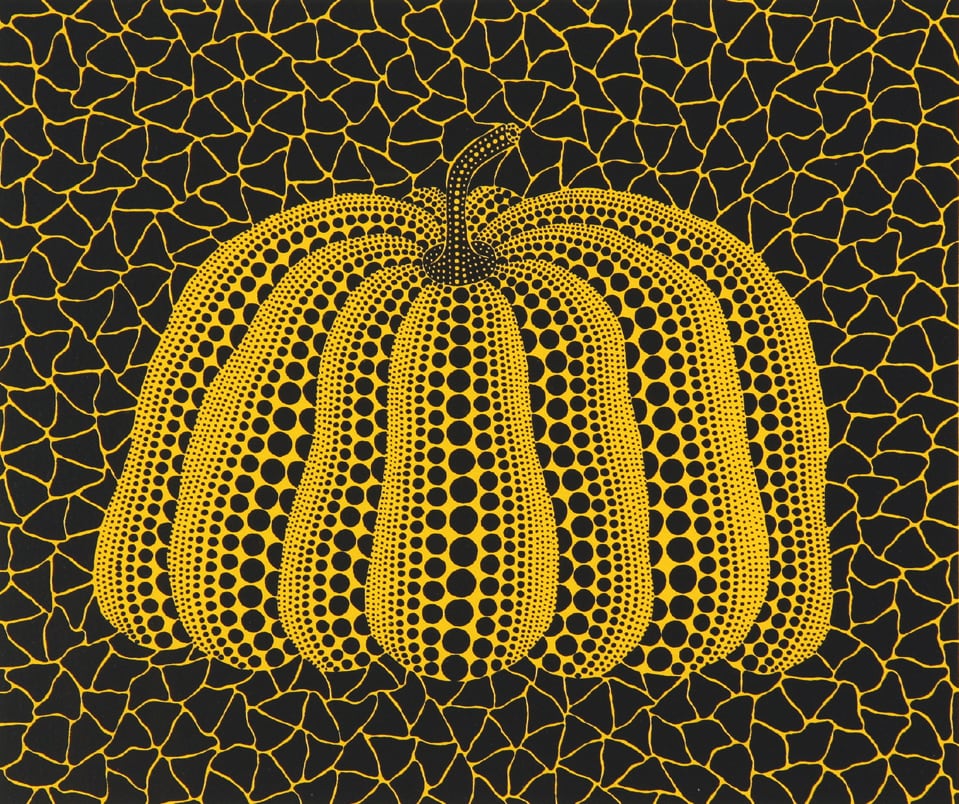
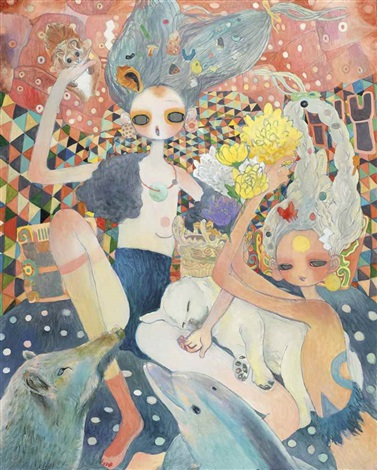
But if it’s called popular art, it can’t stay frozen in the mid-20th century. I believe that in a broader sense, Pop Art is any creative style that uses popular culture as its medium. Contemporary Japanese artists such as Takashi Murakami, Yayoi Kusama, and Aya Takano (タカノ綾)—who draw on anime, dots, and mass culture as artistic forms—can all be classified as Pop artists. Of course, such labels remain a matter of interpretation. So whether comics count as art—let Pop Art answer that for you.
More Pop Art

References
Wikipedia: «Western Art History», «Dada», «Pop Art», «Andy Warhol», «Roy Lichtenstein», «Richard Hamilton», «Takashi Murakami», «Yayoi Kusama».
Zhihu: «What is Pop Art», «The Relationship Between Dada and Pop Art?»
Please indicate the source and inform me if you wish to reprint; I appreciate your respect for intellectual property. 😉
If you notice any errors or have different views or research to share, please leave a comment below or reach me on
Instagram
!